foto1
foto1
foto1
foto1
foto1
foto5

Over many years of persistent and meticulous work, Viktor Zeibert not only demonstrated the high level of development of the Botai people, but also made a sensational discovery: a population that roamed the territory of Northern Kazakhstan six thousand years ago domesticated the horse and successfully engaged in its breeding.

Over many years of persistent and meticulous work, Viktor Zeibert not only demonstrated the high level of development of the Botai people, but also made a sensational discovery: a population that roamed the territory of Northern Kazakhstan six thousand years ago domesticated the horse and successfully engaged in its breeding. This overturned the previously existing theory of horse domestication.

 

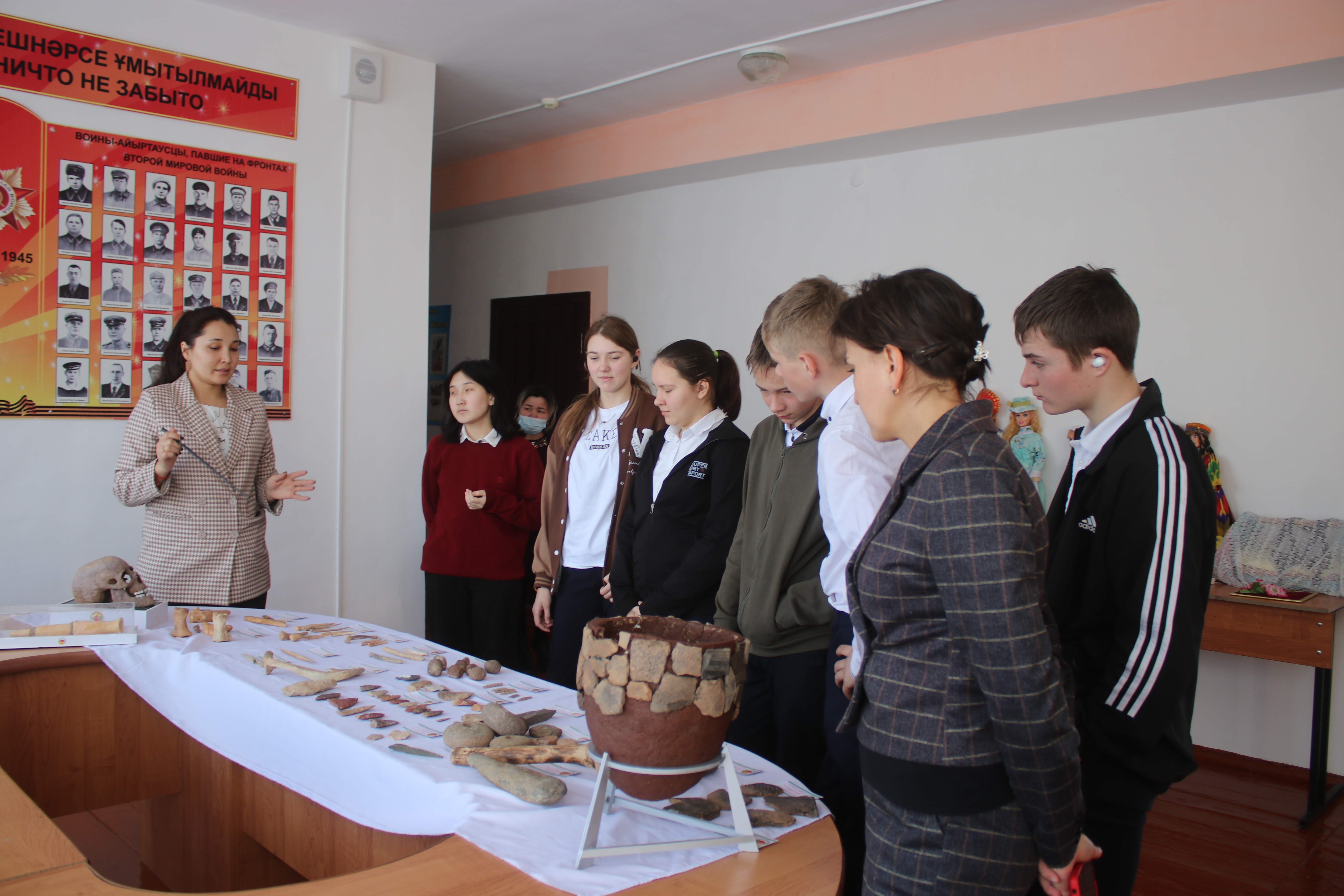
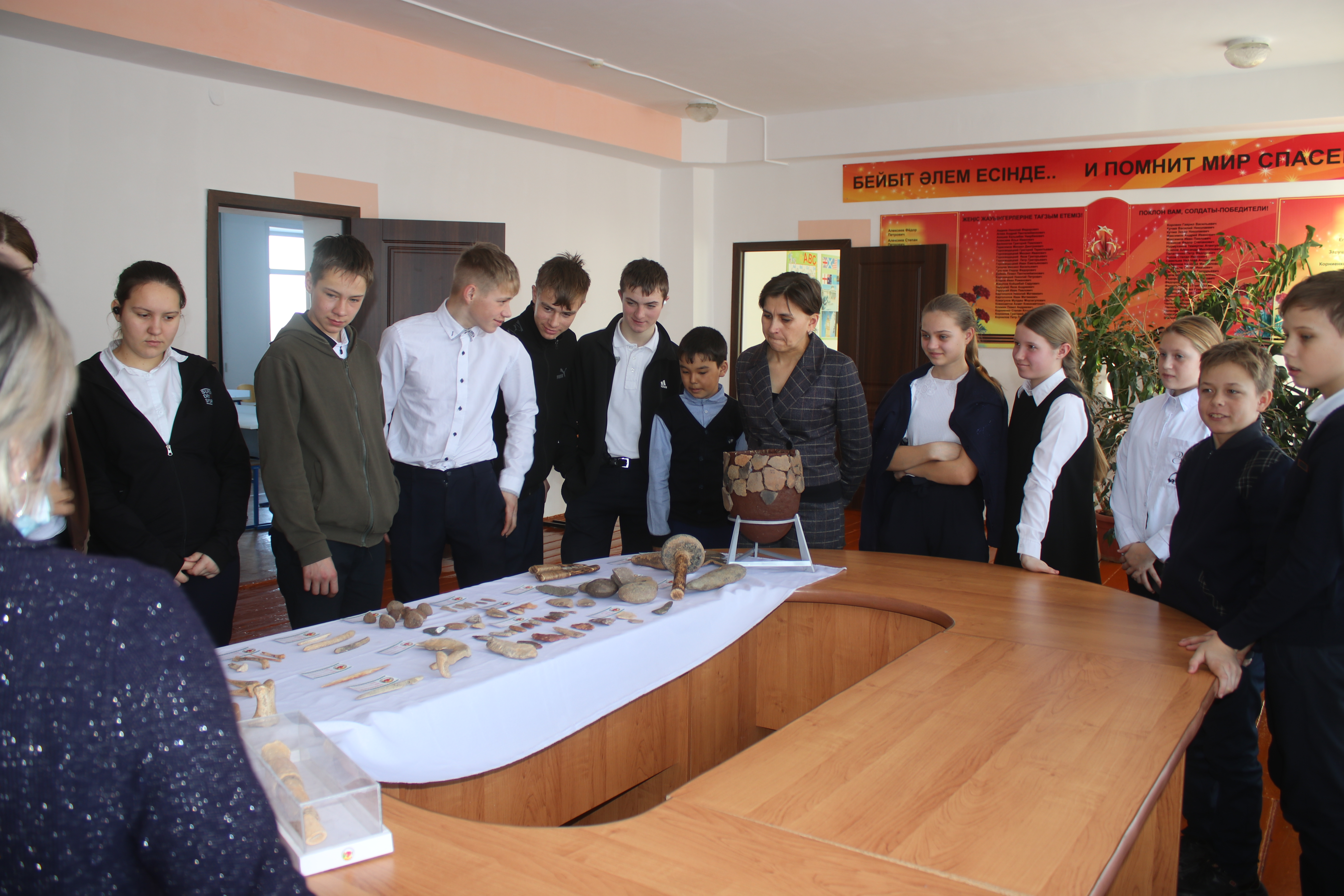
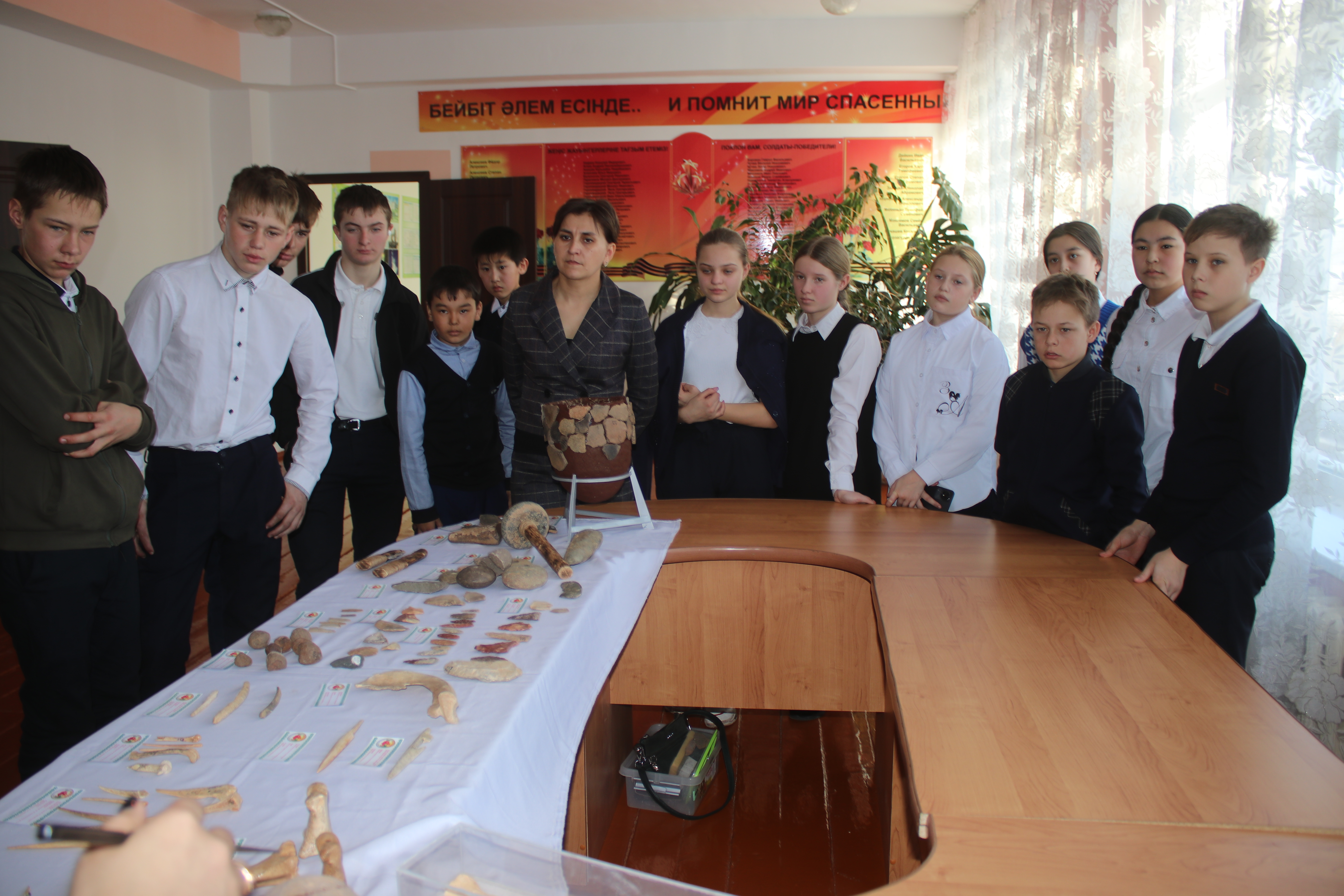
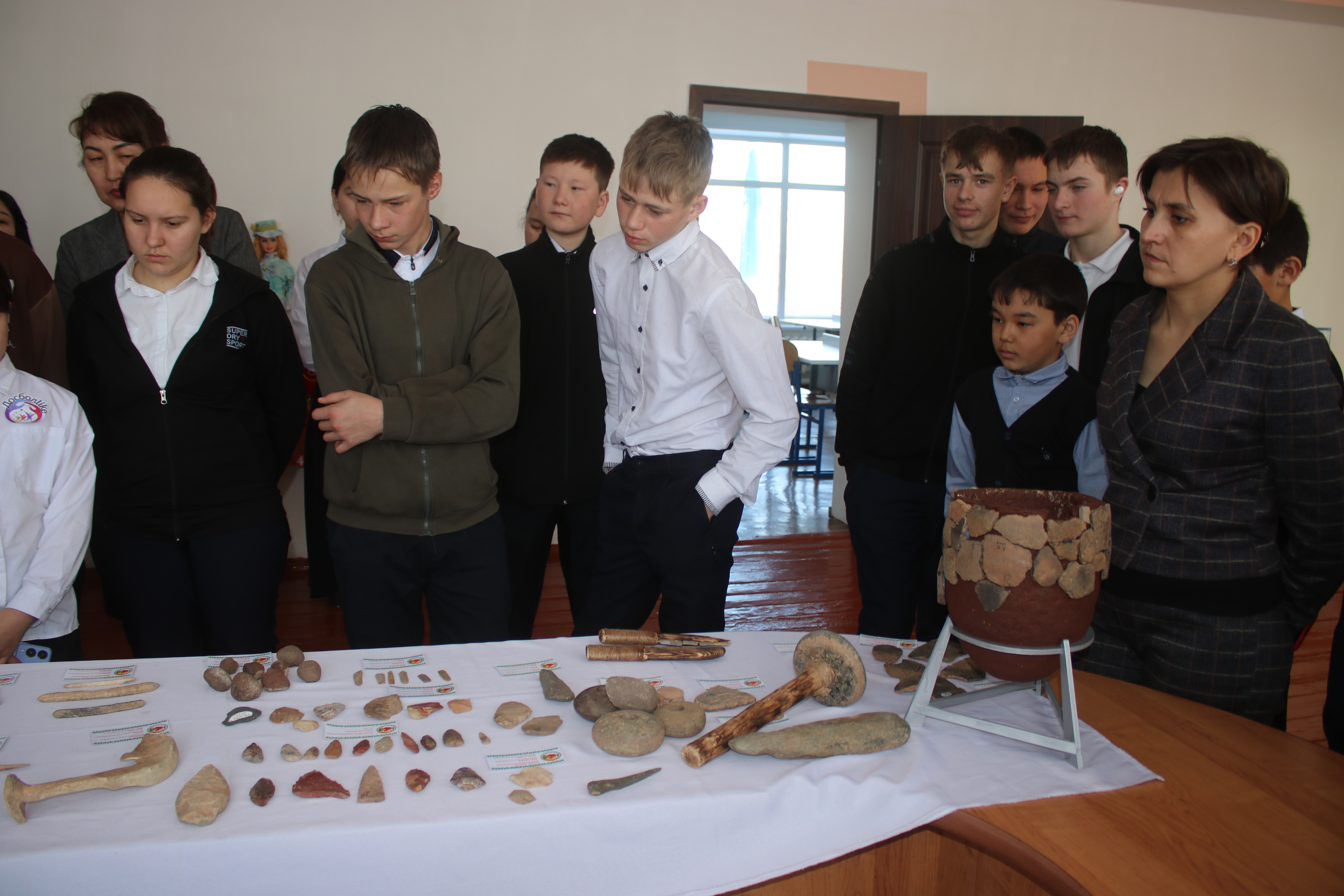
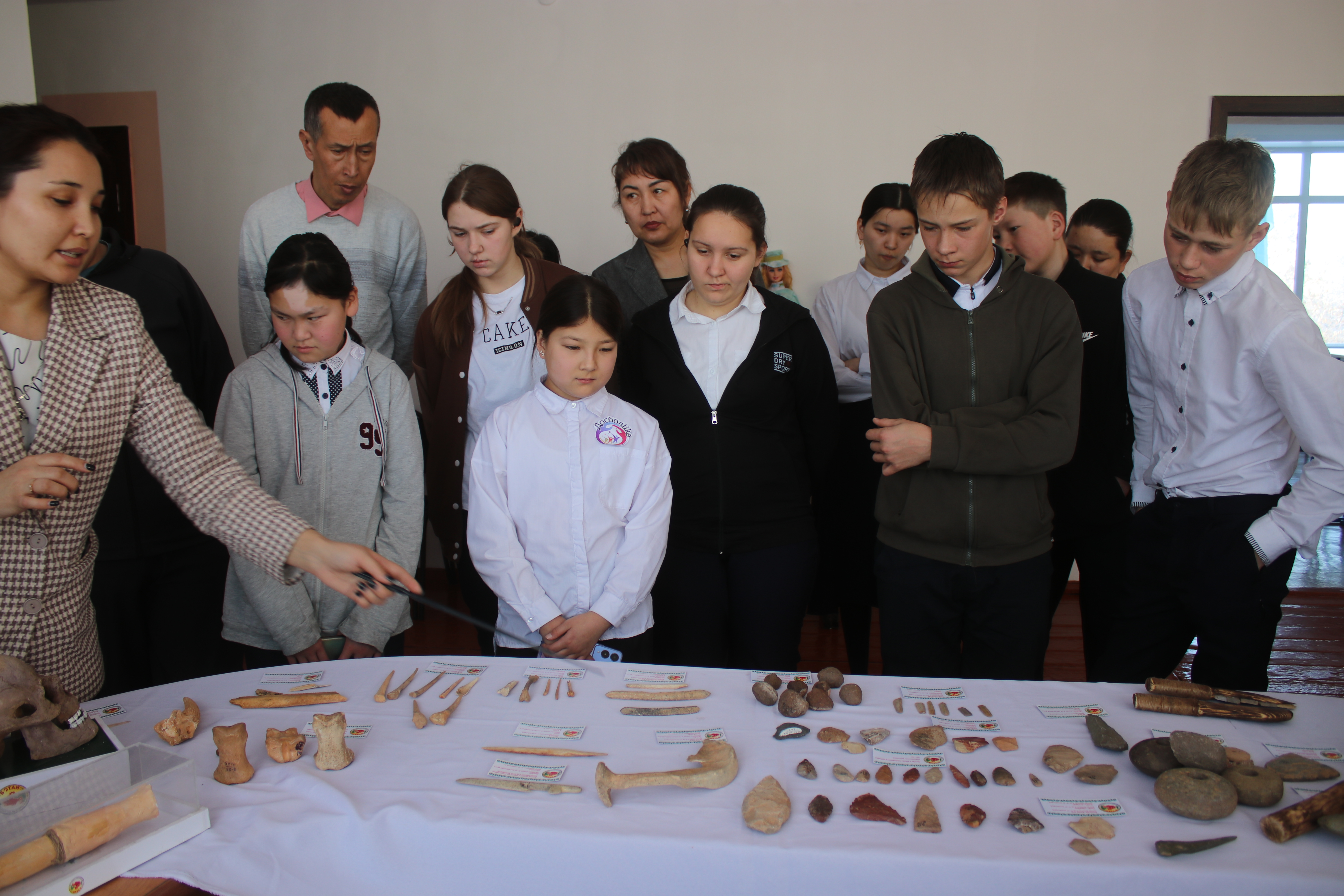
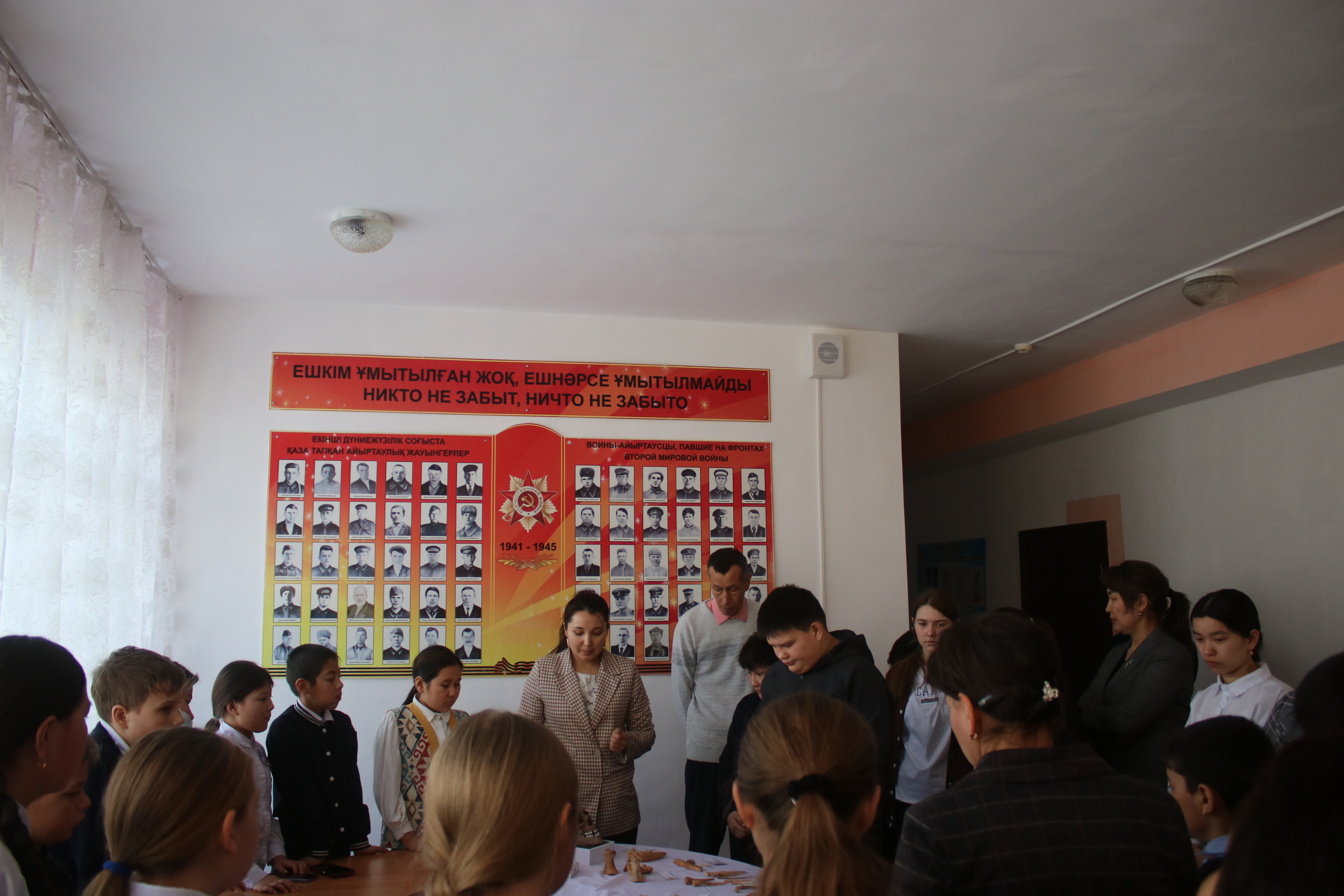
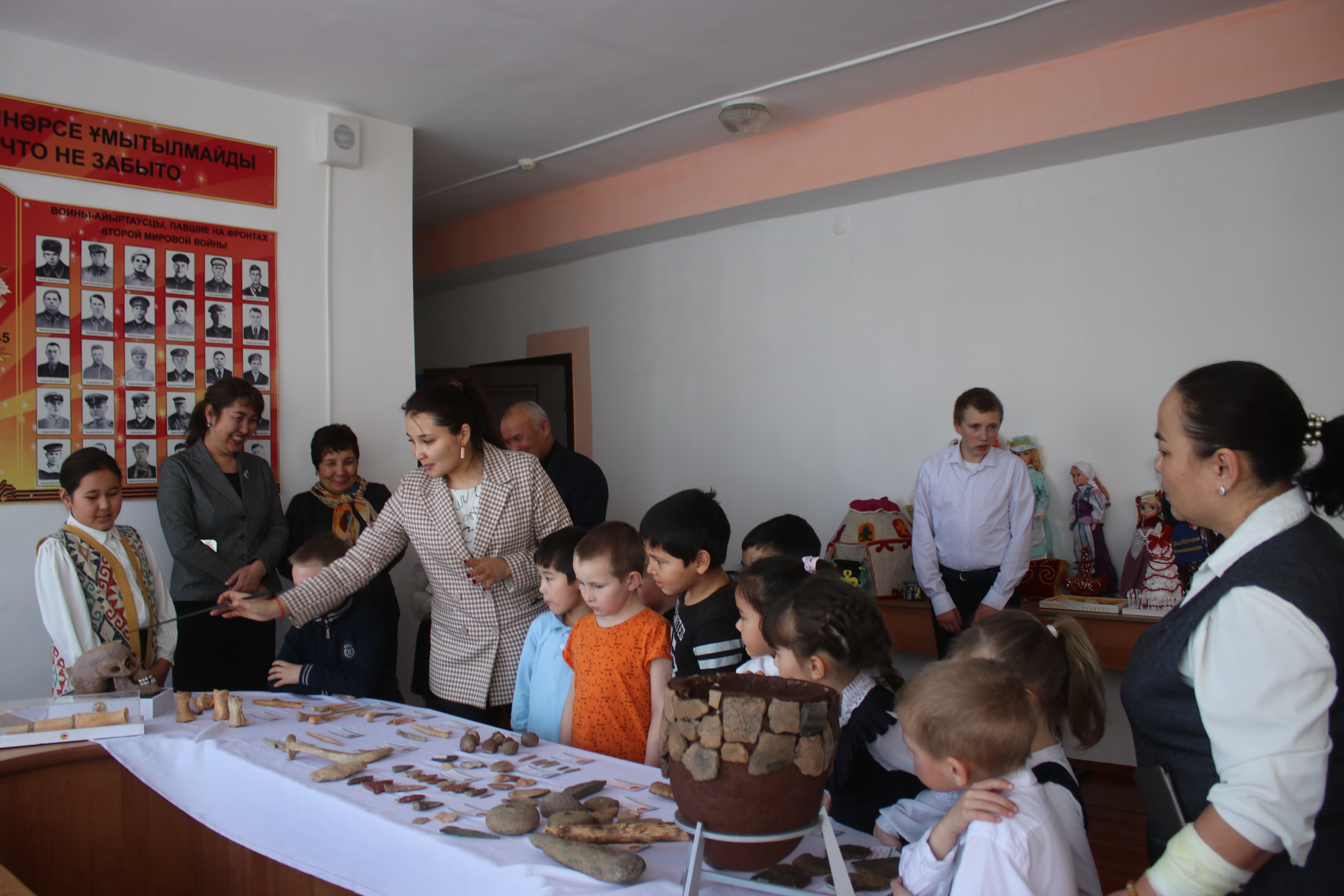
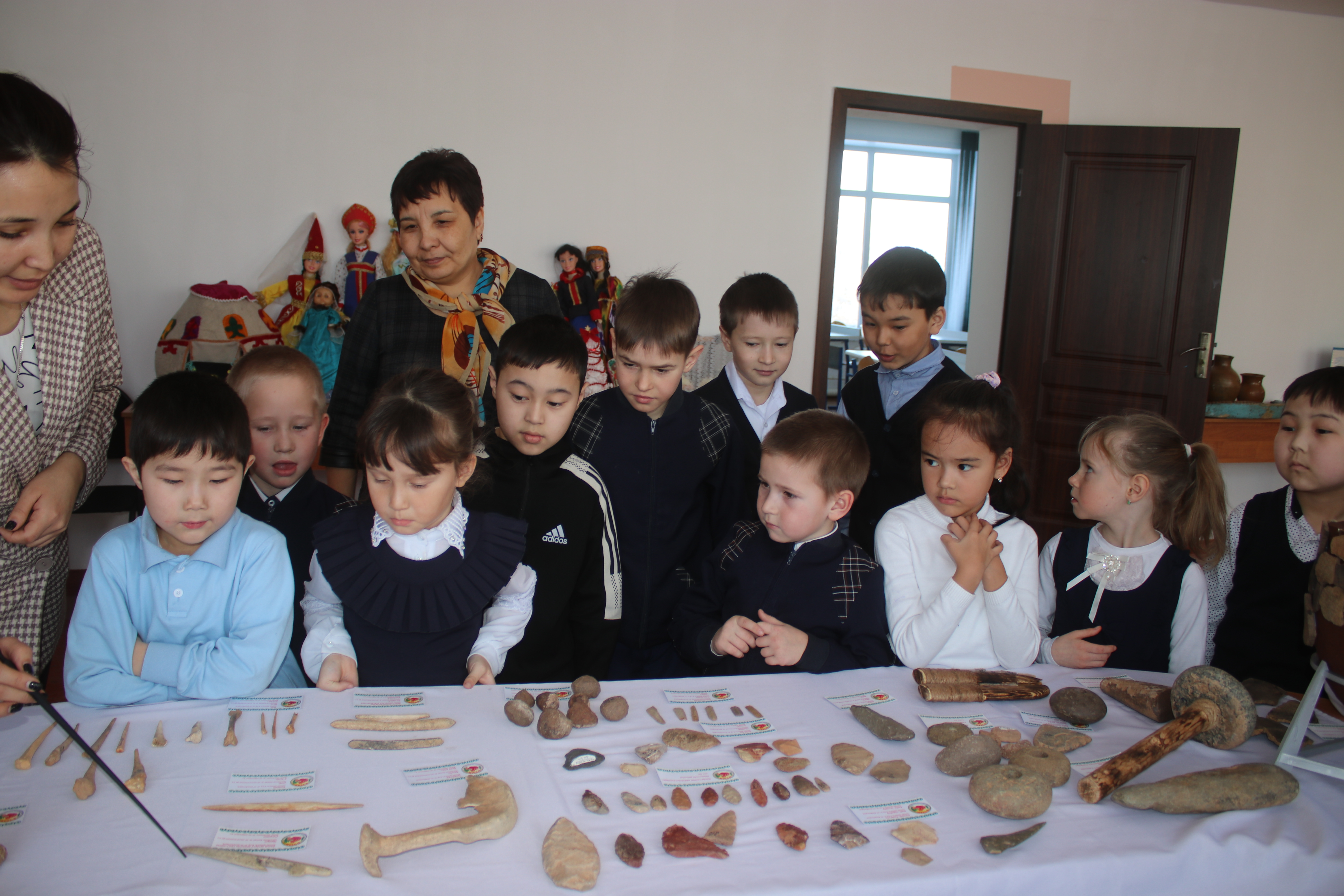
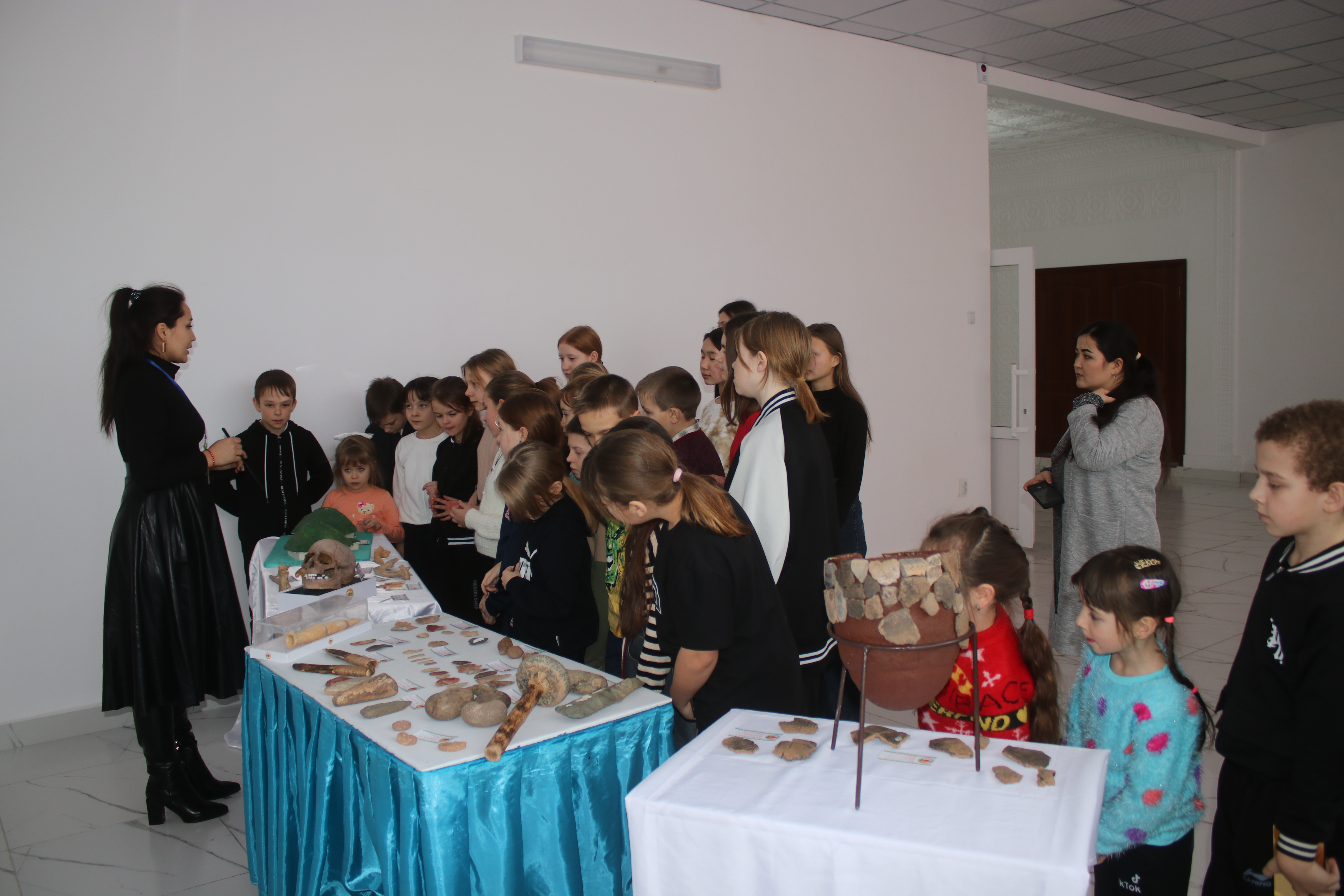
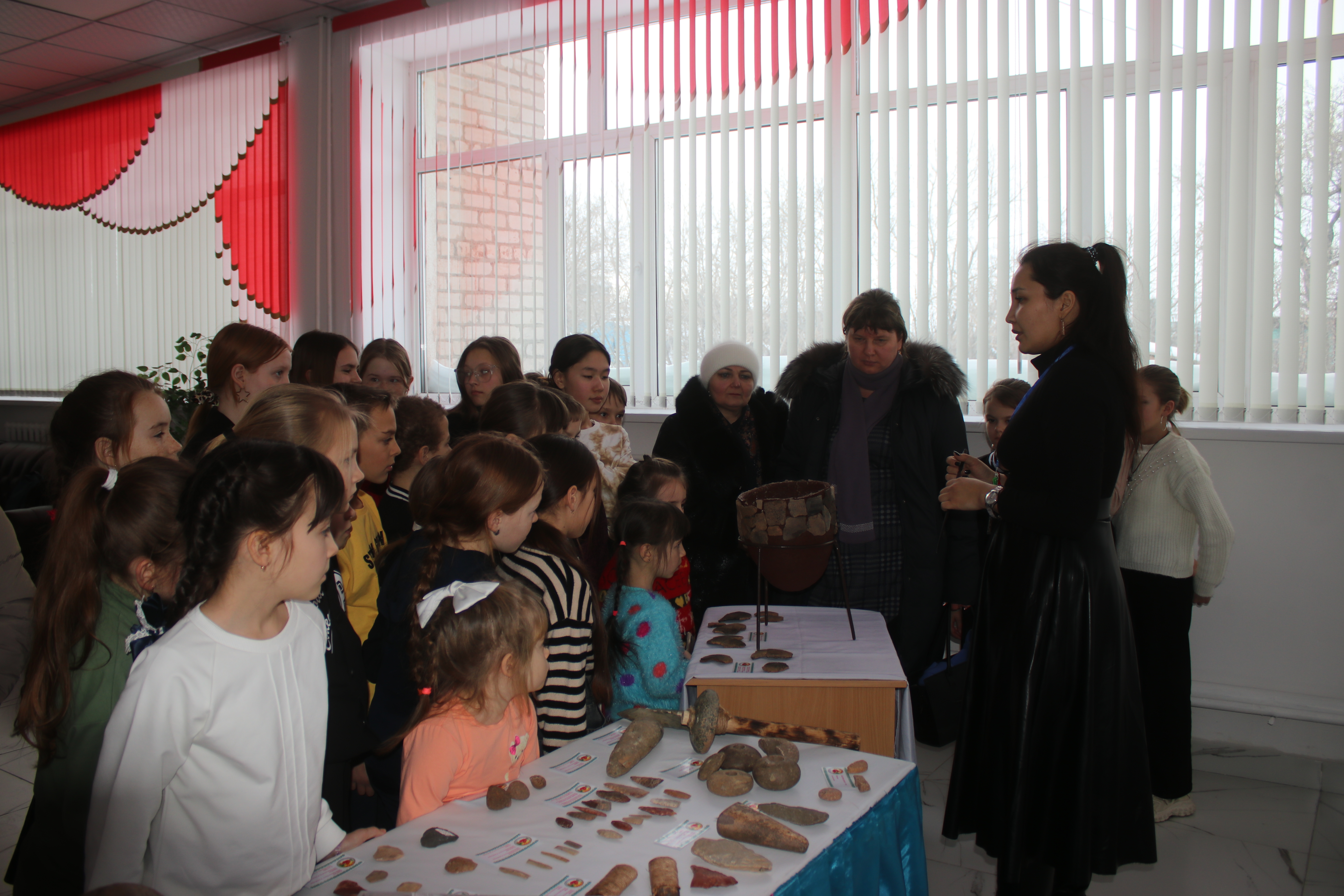
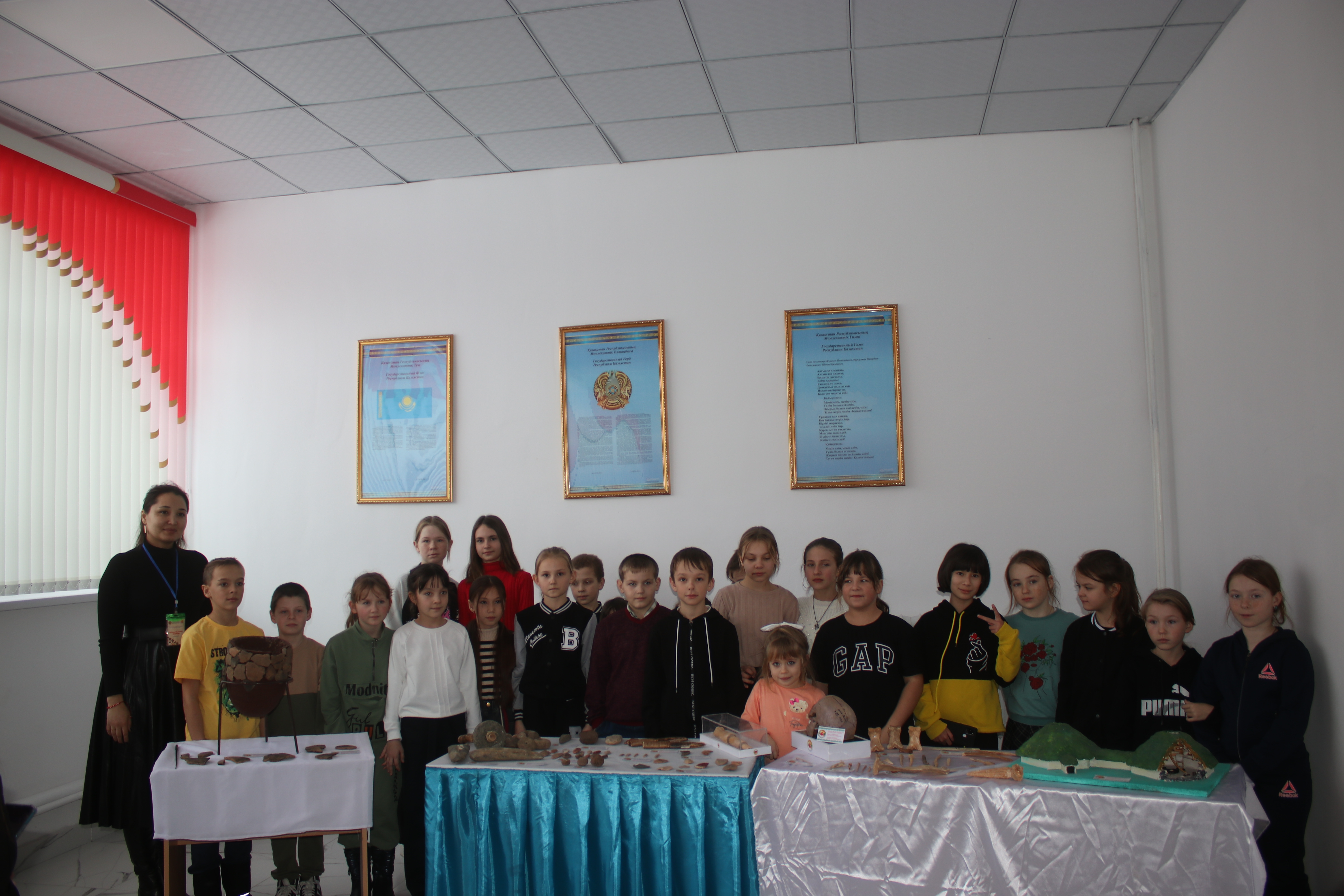
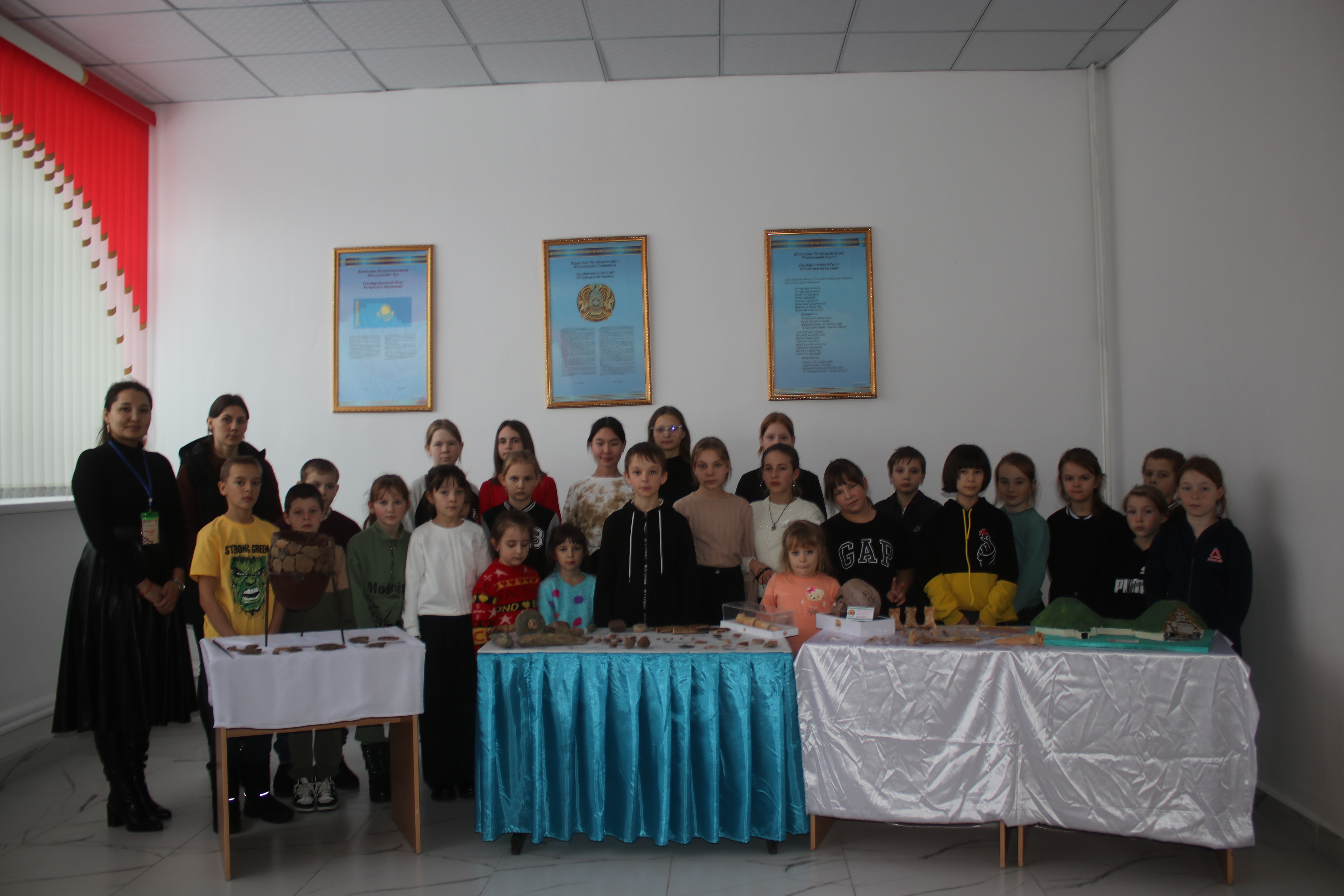
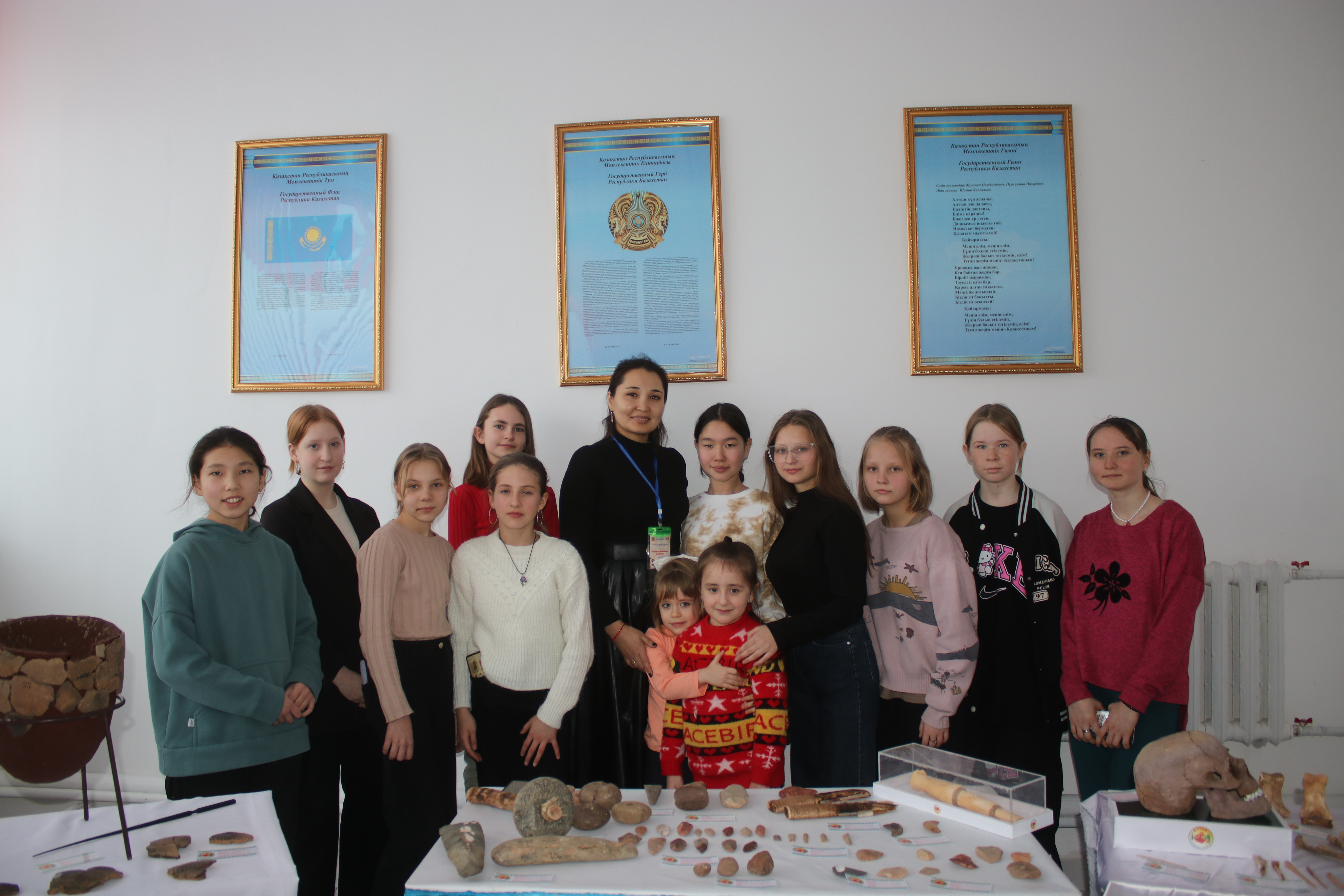
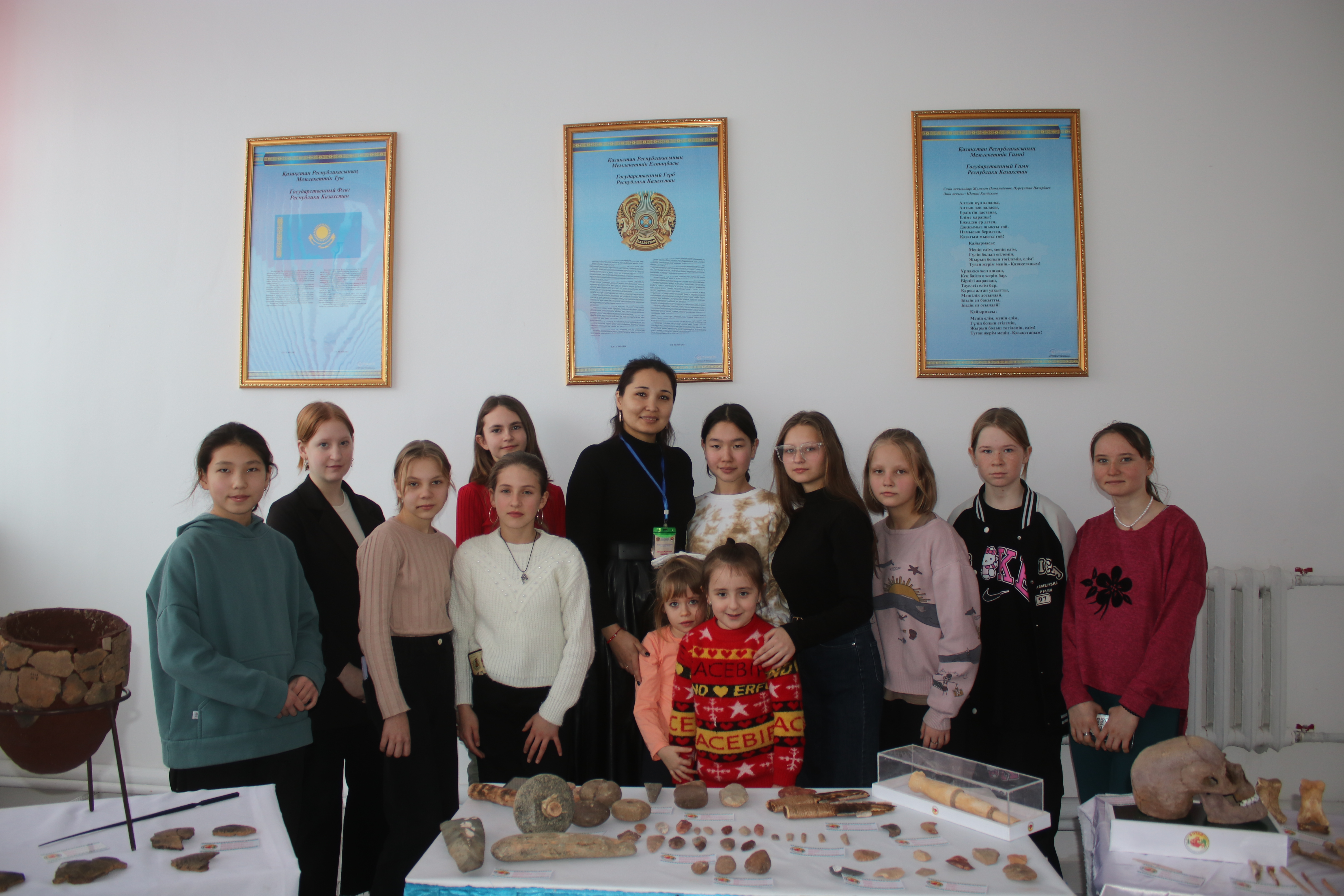
On 17 January, members of the “Young Local Historian” tourism and local studies club of the Aiyrtau District Center for Additional Education visited the State Historical and Cultural Museum-Reserve “Botai.”

On 17 January, members of the “Young Local Historian” tourism and local studies club of the Aiyrtau District Center for Additional Education visited the State Historical and Cultural Museum-Reserve “Botai.”

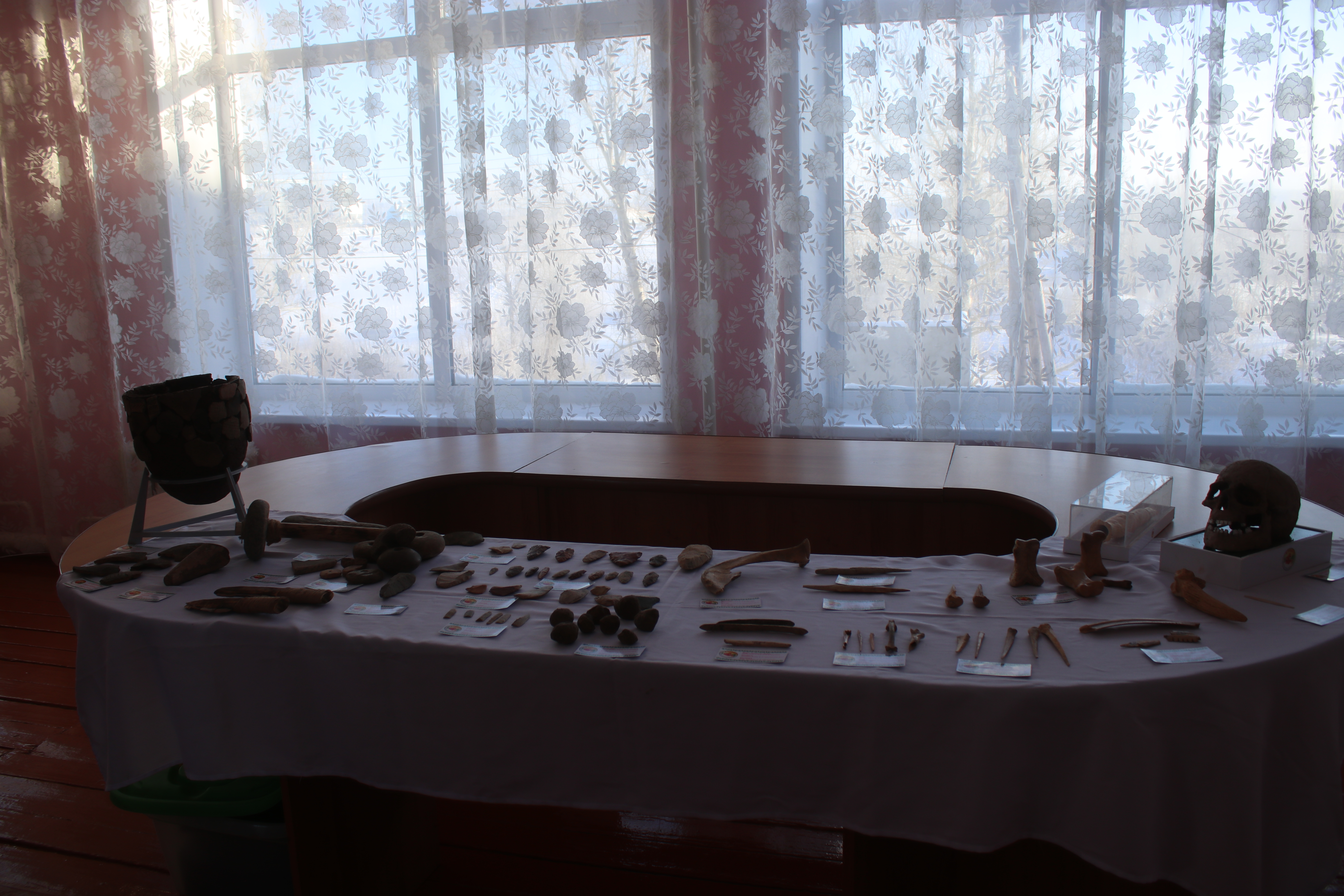
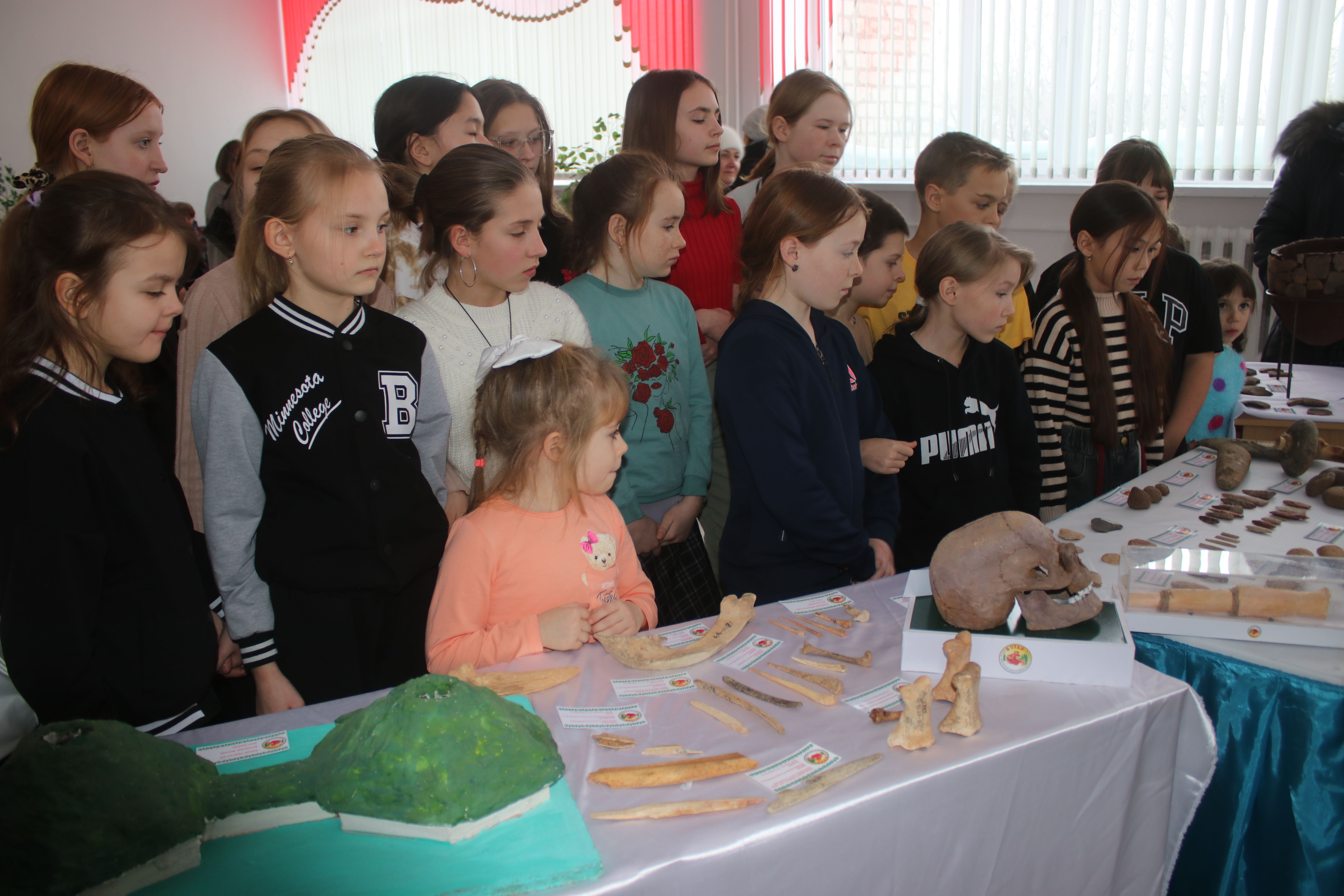
School students were told about the discovery, history, and research work of the Botai culture. They were also presented with information about the reconstruction of ancient Botai dwellings and the domestication of wild horses. In addition, ancient tools and weapons used by the Botai people in their daily life were demonstrated.

Ceramics of the Botai Culture

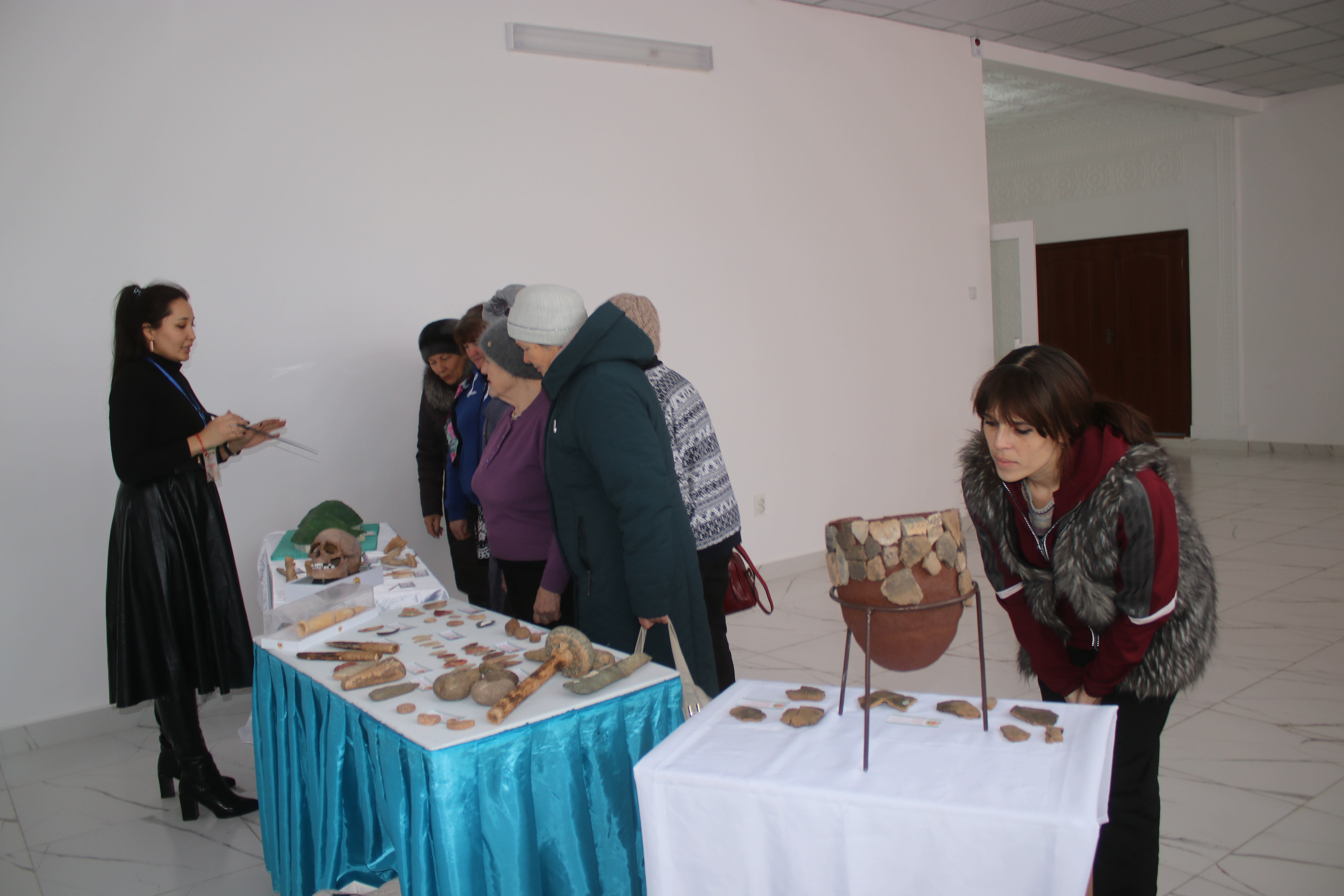
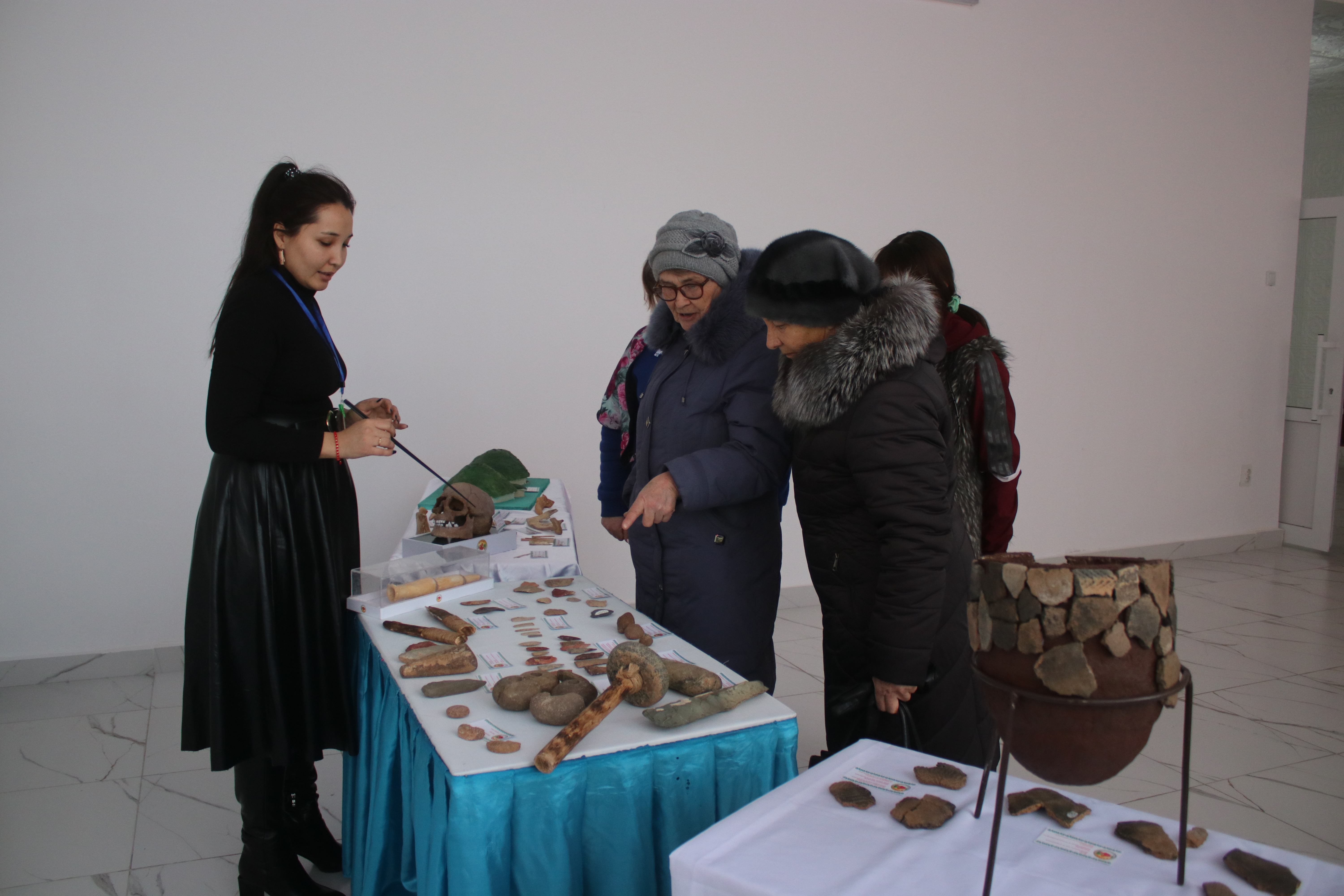
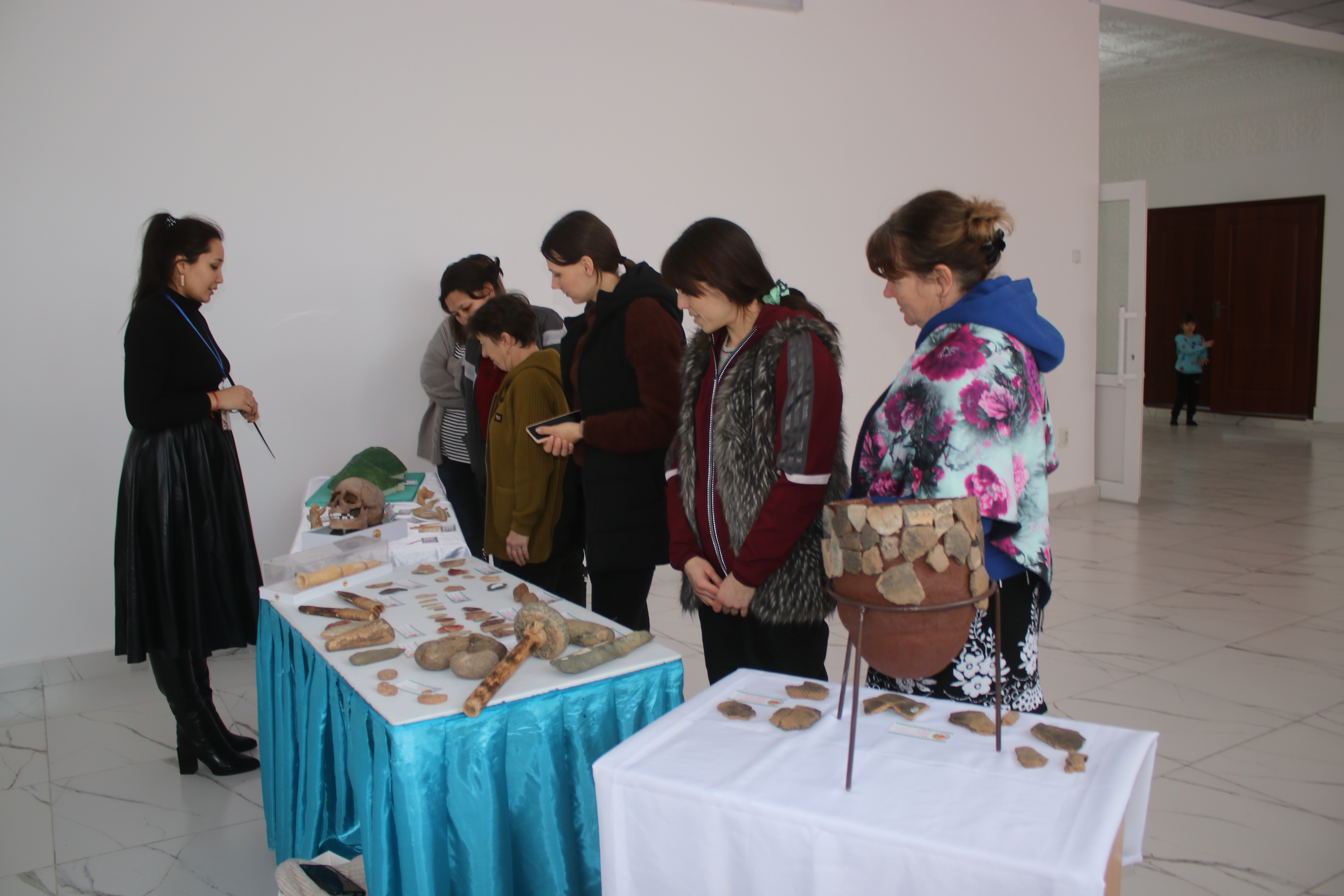
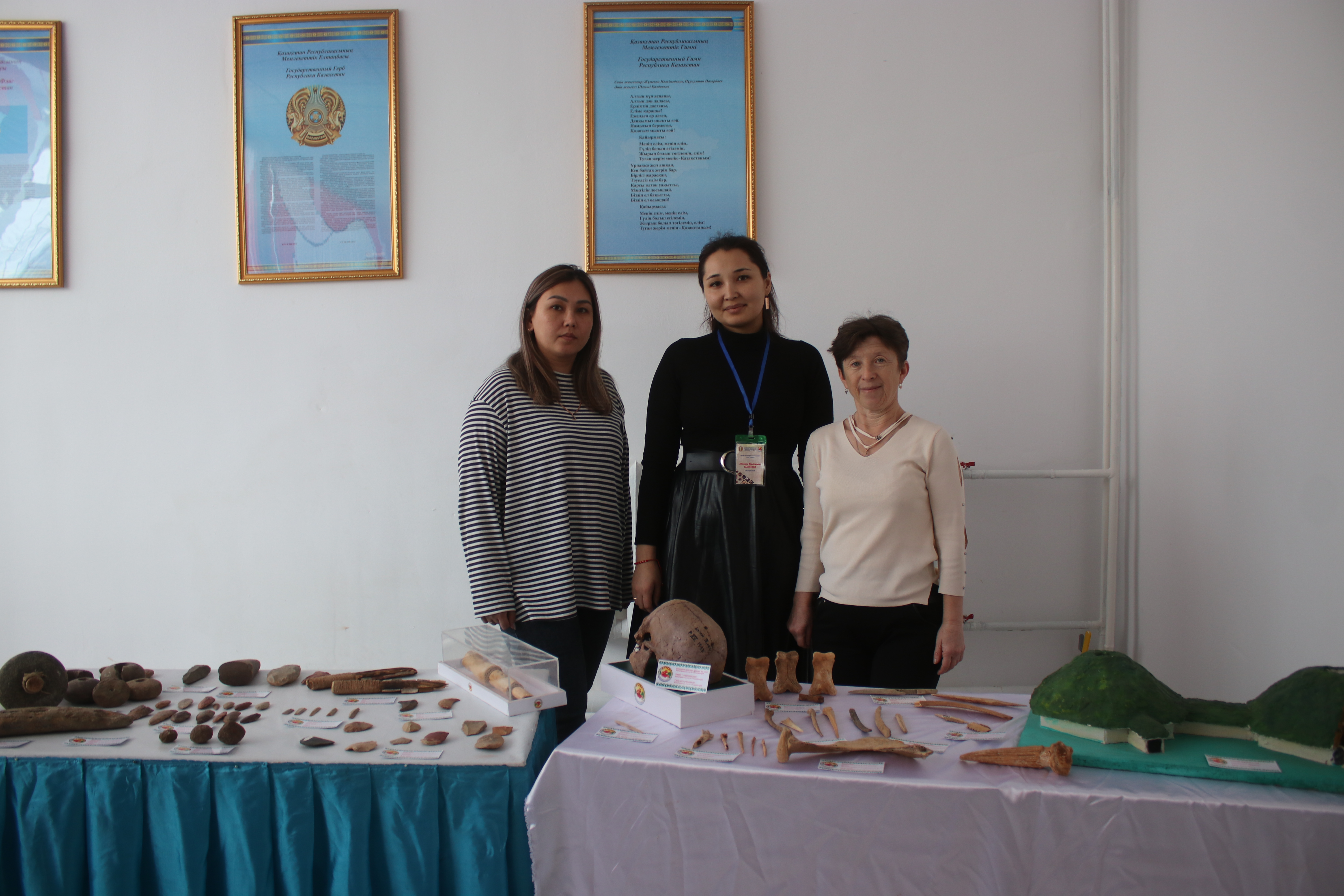
The “Botai” Museum-Reserve houses various exhibits reflecting the Eneolithic era, among which ceramics are of particular interest.

Today, a reconstructed ceramic vessel made from pottery fragments found at the Botai settlement is presented to your attention. The base of the vessel is rounded; as the bottom is barely defined, the object is unstable. The surface is carefully finished, and on some ceramic vessels various ornaments can be observed. The main decorative motifs include wavy and straight lines, comb patterns, and geometric figures.

The vessel is a type of kitchen utensil; the large amount of soot on its surface indicates that it was used for cooking over an open fire. It was also used for storing milk and kumis.

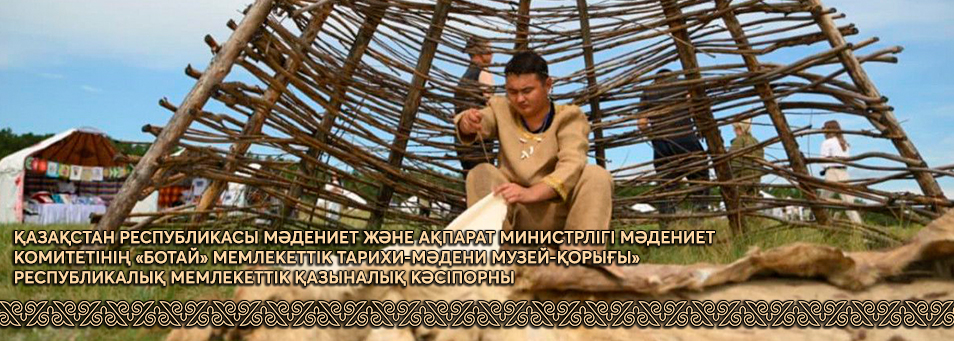
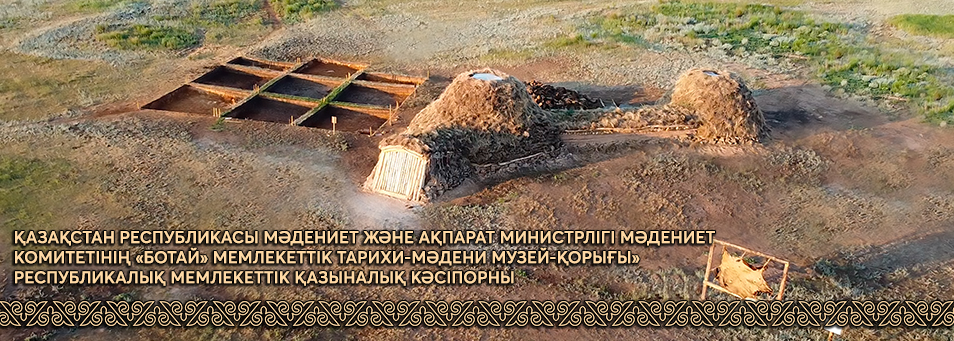
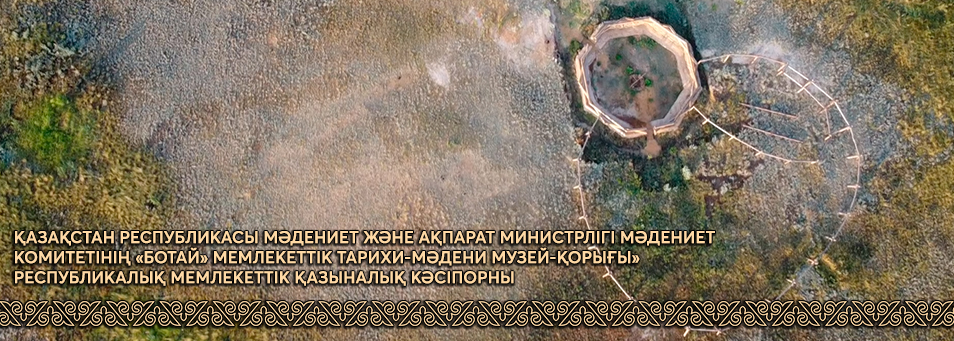
As part of the ongoing museification process at the archaeological site—the Botai settlement—located in the Aiyrtau District of the North Kazakhstan Region, In May 2023, the construction of another ancient Botai dwelling was carried out.

As part of the ongoing museification process at the archaeological site—the Botai settlement—located in the Aiyrtau District of the North Kazakhstan Region, In May 2023, the construction of another ancient Botai dwelling was carried out.

In its architectural concept, the dwelling has a hexagonal shape. Its construction and reconstruction were carried out using the traditional Botai log-laying technique, in which each log secures the previous one. After the completion of the entire structure, all gaps and cracks between the logs were treated and sealed with moss. Following this procedure, in order to prevent moisture penetration, the structure was covered with a protective layer, over which turf was laid. Inside the dwelling, all logs were treated with linseed oil to ensure greater durability and preservation.

The interior of the dwelling is arranged in the style of a space for ancient hunting and fishing: fishing nets, harpoons, and spears are displayed, and a hearth is located at the center. A ladder leads to the upper opening of the dwelling, which also served as an additional exit in case of heavy snowstorms and blizzards, when the main entrance could become blocked.

Republican Essay Competition

The RSE “State Historical and Cultural Museum-Reserve ‘Botai’” of the Committee of Culture of the Ministry of Culture and Information of the Republic of Kazakhstan announces a Republican essay competition on the theme “Botai – the Treasure of the Northern Steppe.”

Competition Requirements:

  • Full and comprehensive coverage of the assigned essay topic.
  • Use of historical data and reliable sources in the preparation of the essay.
  • Written literacy (observance of style, spelling, and punctuation).
  • Creative works (essays) are accepted in the state Kazakh or Russian languages (at the student’s choice).
  • It is necessary to subscribe to the Botai Museum-Reserve’s Instagram and TikTok accounts on the Internet.

Condition of the competition:

  • Since the competition is held in a remote (online) format, it is necessary to complete the application form and written creative works (according to the table attached below), and send them to the email address: This email address is being protected from spambots. You need JavaScript enabled to view it.
  • A4 format, the text must be typed on a computer; the volume must not exceed 4 pages; font: Times New Roman; font size: 14; line spacing: 1.5; margins of 2 cm must be set on all sides.
  • Along with the submitted works, information about the participant and a 10×5 photograph must also be provided.

Submission period for creative works: 10 January 2024 – 15 February 2024

Announcement of competition results: 20 February 2024

Eligible participants: students of grades 8–11 of general education institutions.

Email: This email address is being protected from spambots. You need JavaScript enabled to view it.

Phone numbers: 8 (71533) 21-8-80, 8 775-732-84-54 (WhatsApp) Aigerim

Copyright 2026  Музей-заповедник "Ботай"