

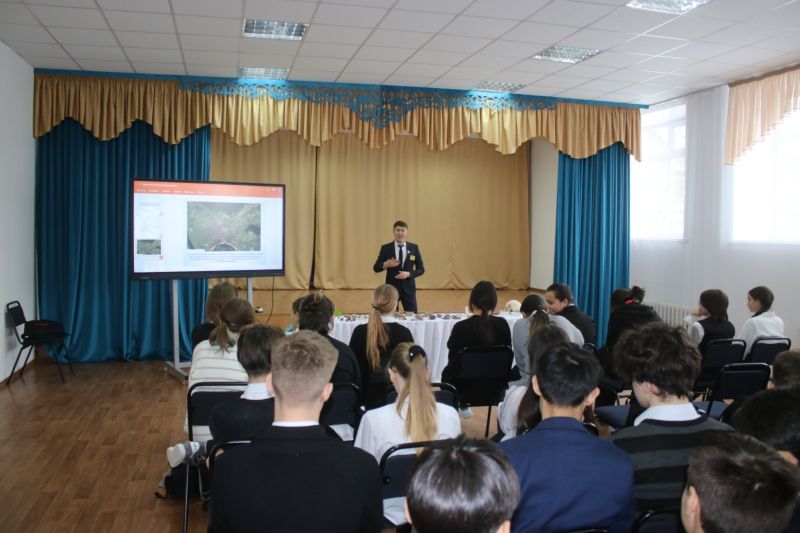
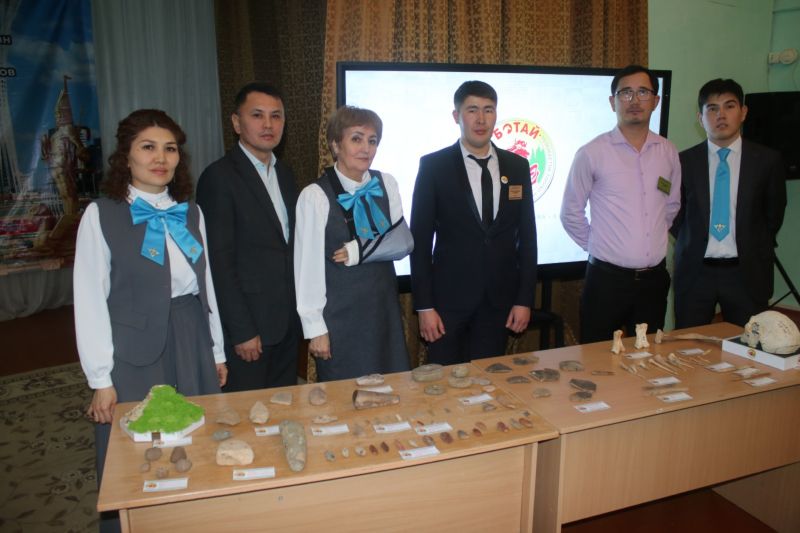
On 5 December 2023, researchers of the State Historical and Cultural Museum-Reserve “Botai” organized an exhibition and lecture on the topic “Botai Culture” for students of grades 5–6 from the village of Krasny Yar in the city of Kokshetau.
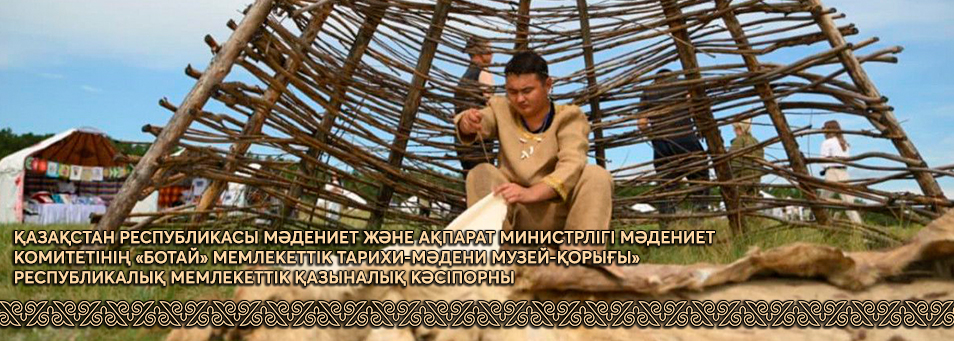
On 5 December 2023, researchers of the State Historical and Cultural Museum-Reserve “Botai” organized an exhibition and lecture on the topic “Botai Culture” for students of grades 5–6 from the village of Krasny Yar in the city of Kokshetau. During the event, the schoolchildren were told about the discovery, history, and research work of the Botai culture. The students were also presented with information on the reconstruction of ancient Botai dwellings and the domestication of wild horses. In addition, ancient tools and weapons used by the Botai people in their daily life were demonstrated.
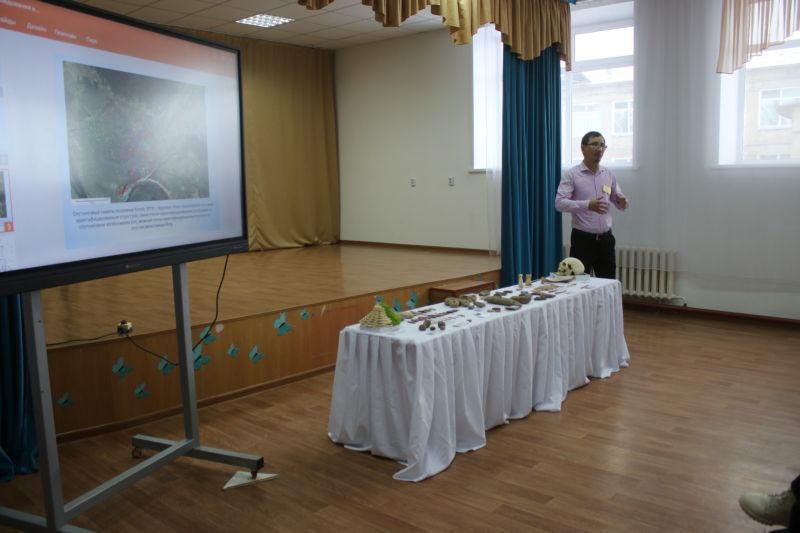
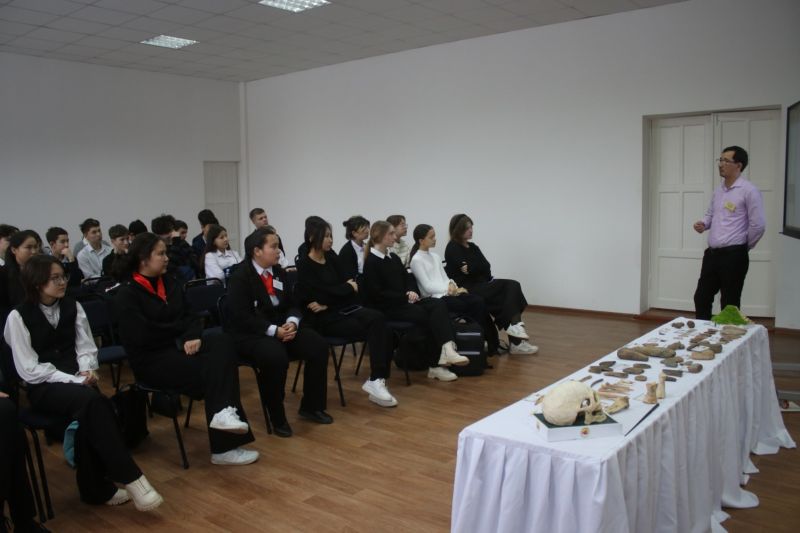
On 5 December 2023, researchers of the State Historical and Cultural Museum-Reserve “Botai” organized an exhibition and lecture on the topic “Archaeological Research in Kazakhstan” for students of grades 7–8 of School No. 17 in the city of Kokshetau.
On 5 December 2023, researchers of the State Historical and Cultural Museum-Reserve “Botai” organized an exhibition and lecture on the topic “Archaeological Research in Kazakhstan” for students of grades 7–8 of School No. 17 in the city of Kokshetau. During the lecture, the students were provided with information about methods of documentation, research, restoration, and protection of cultural heritage sites in the territory of Kazakhstan, as well as about scientific, expeditionary, and restoration work. The students were also presented with information on the reconstruction of ancient Botai dwellings and the domestication of wild horses. In addition, ancient tools and weapons used by the Botai people in their daily life were demonstrated.
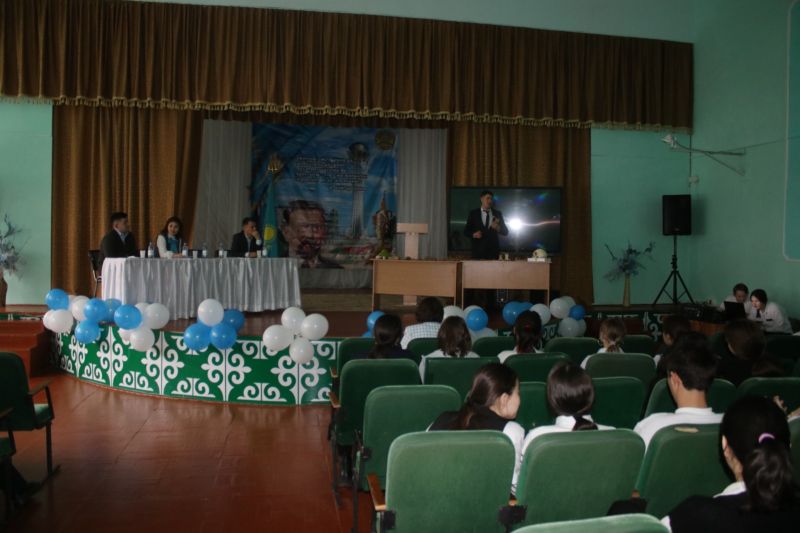
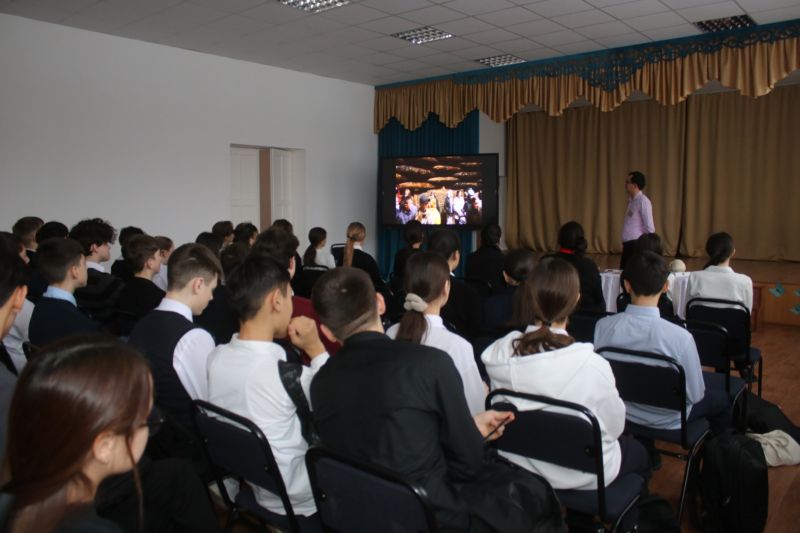
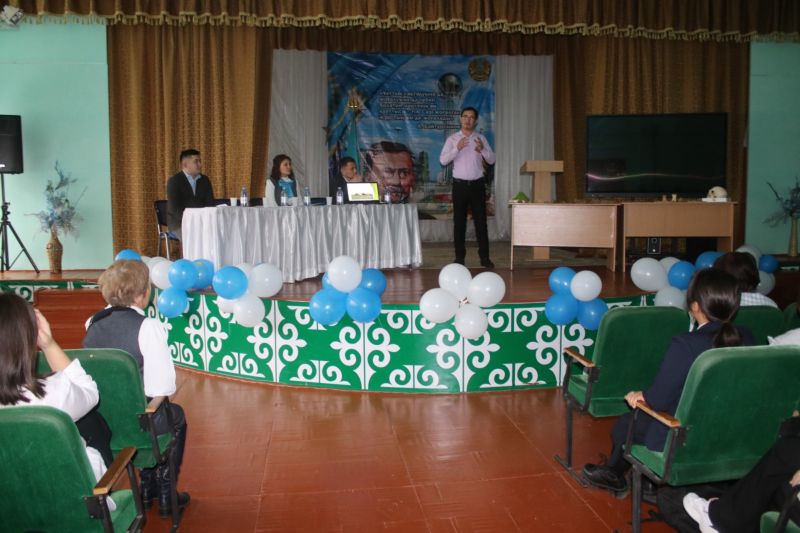
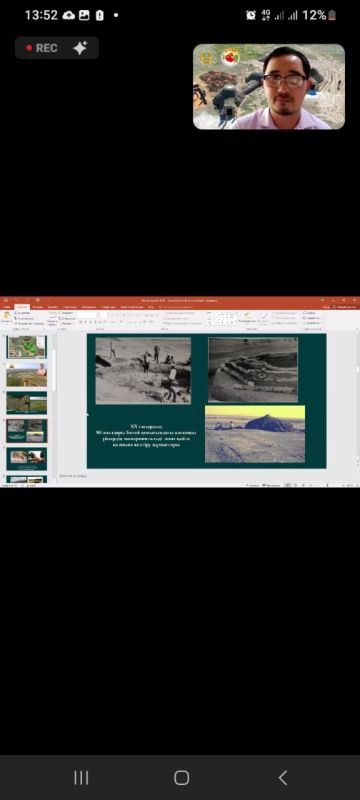
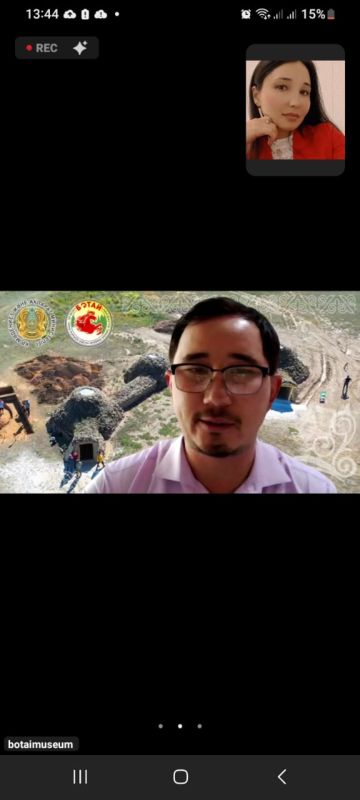
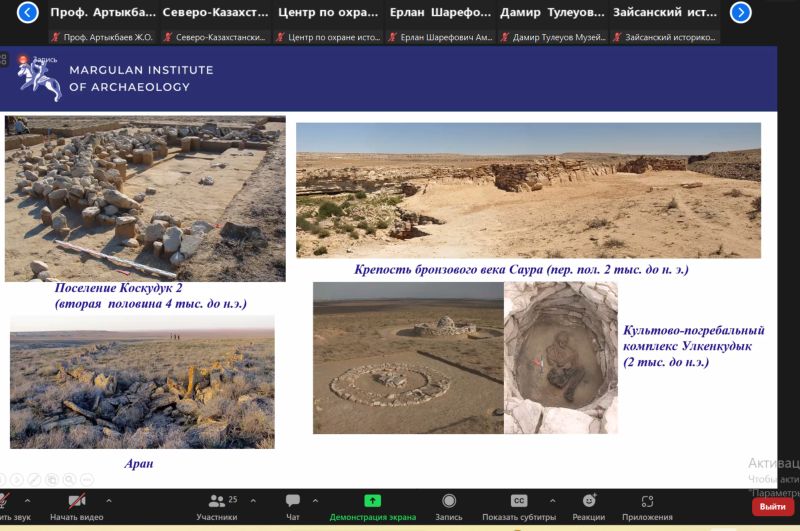
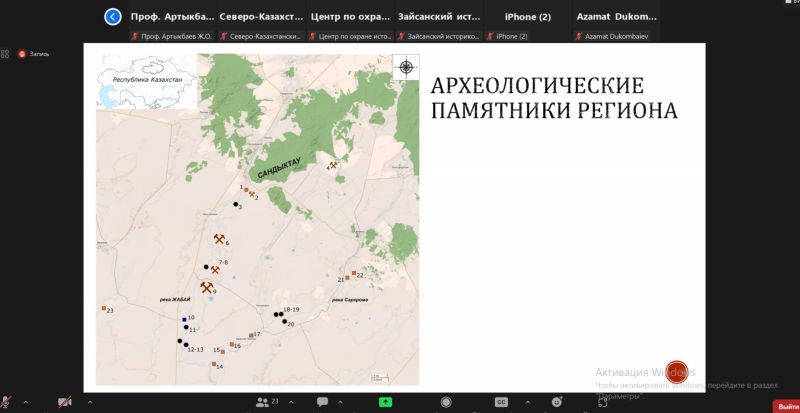
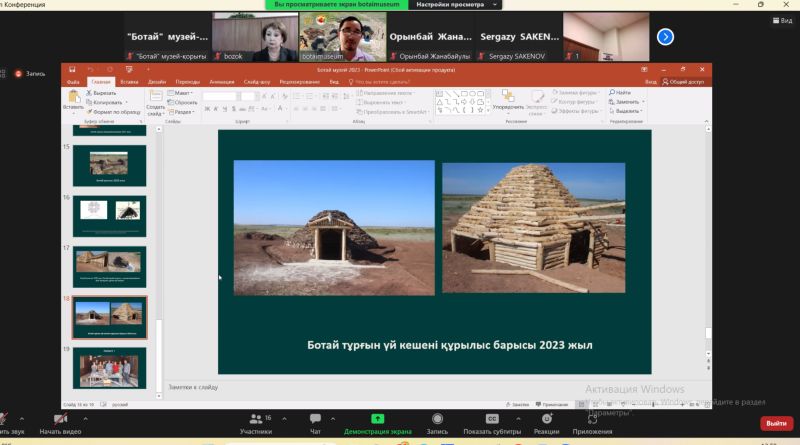
Today, 30 November 2023, during the online round table “House Construction in the Kazakh Steppe: Traditions and Features,” dedicated to the 25th anniversary of the archaeological excavations of the ancient city of “Bozok,” researcher of the State Historical and Cultural Museum-Reserve “Botai” M. S. Makeev participated with a report on the topic “Experience in the Museification and Conservation of
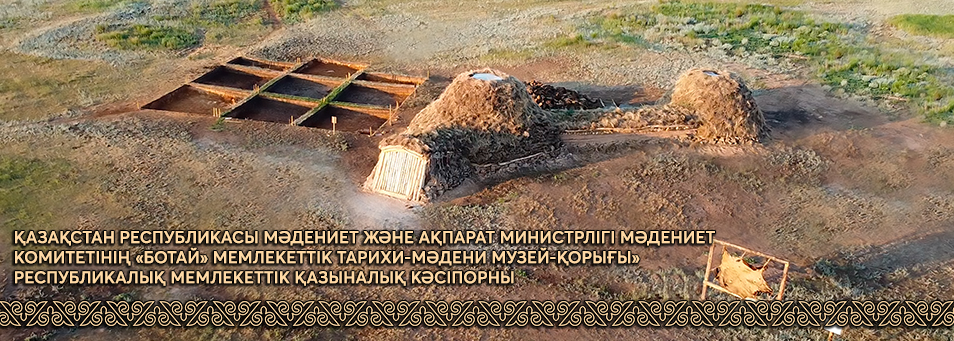
Today, 30 November 2023, during the online round table “House Construction in the Kazakh Steppe: Traditions and Features,” dedicated to the 25th anniversary of the archaeological excavations of the ancient city of “Bozok,” researcher of the State Historical and Cultural Museum-Reserve “Botai” M. S. Makeev participated with a report on the topic “Experience in the Museification and Conservation of the Discovered Houses of the Botai Settlement.” In his presentation, he shared the main research directions of the Botai culture, the experience gained in reconstructing residential structures, and the results of archaeological excavations.


On 29 November 2023, staff of the RSE “State Historical and Cultural Museum-Reserve ‘Botai’” organized a guided tour of the museum-reserve’s exhibition hall for employees of the Treasury Department of the Aiyrtau District.
On 29 November 2023, staff of the RSE “State Historical and Cultural Museum-Reserve ‘Botai’” organized a guided tour of the museum-reserve’s exhibition hall for employees of the Treasury Department of the Aiyrtau District.
The Great Steppe Gave the World Horse Breeding and Equestrian Culture
The Great Steppe gave the world horse breeding and equestrian culture. Over time, people learned to breed horses and control wild herds. In the 4th–3rd millennia BCE, the steppe climate was more humid and vegetation was richer. Botai and other sites of the Botai culture, studied over more than 40 years, have enabled a number of scientific discoveries in the ancient history of Kazakhstan and the Eurasian continent as a whole.