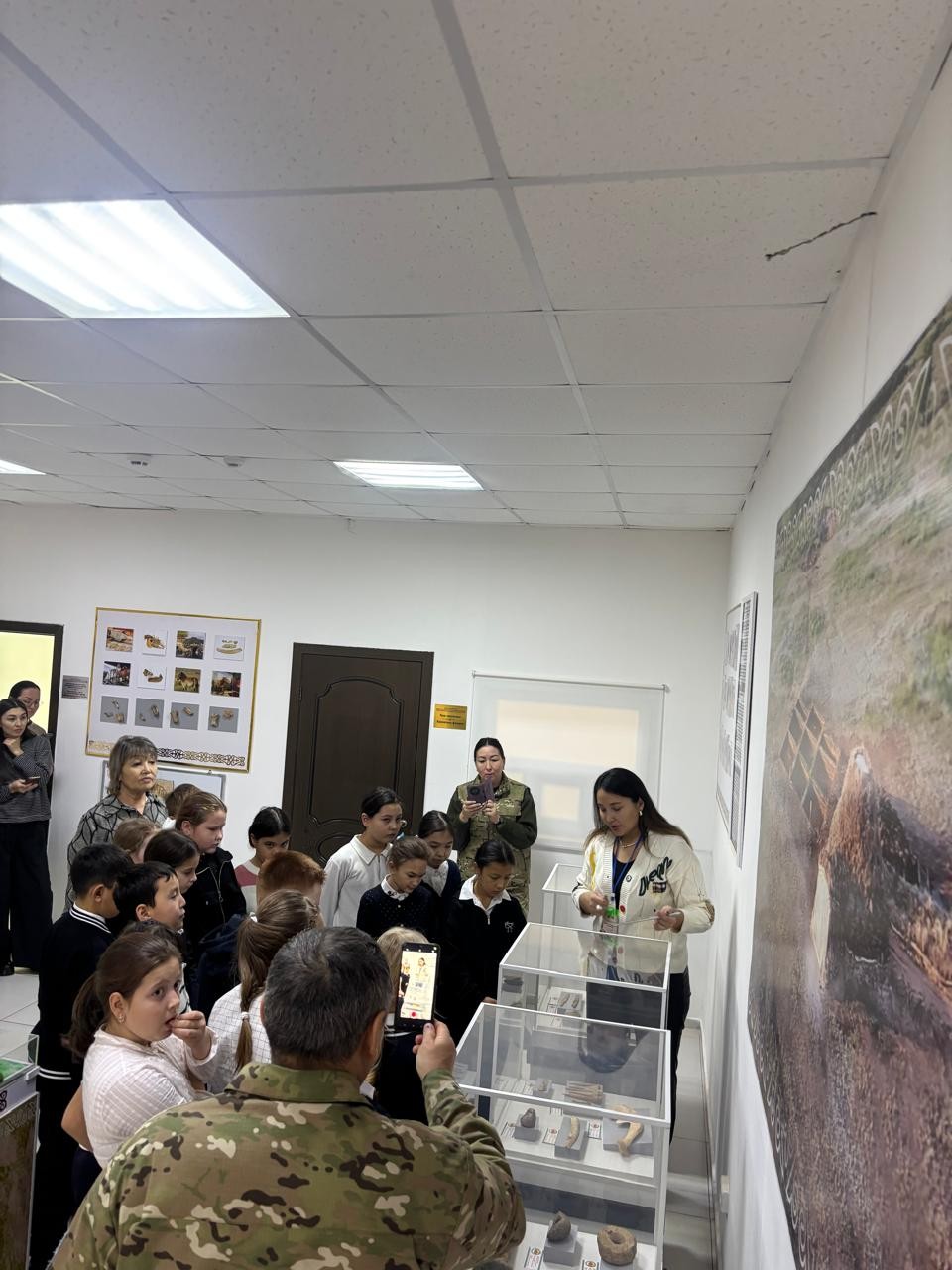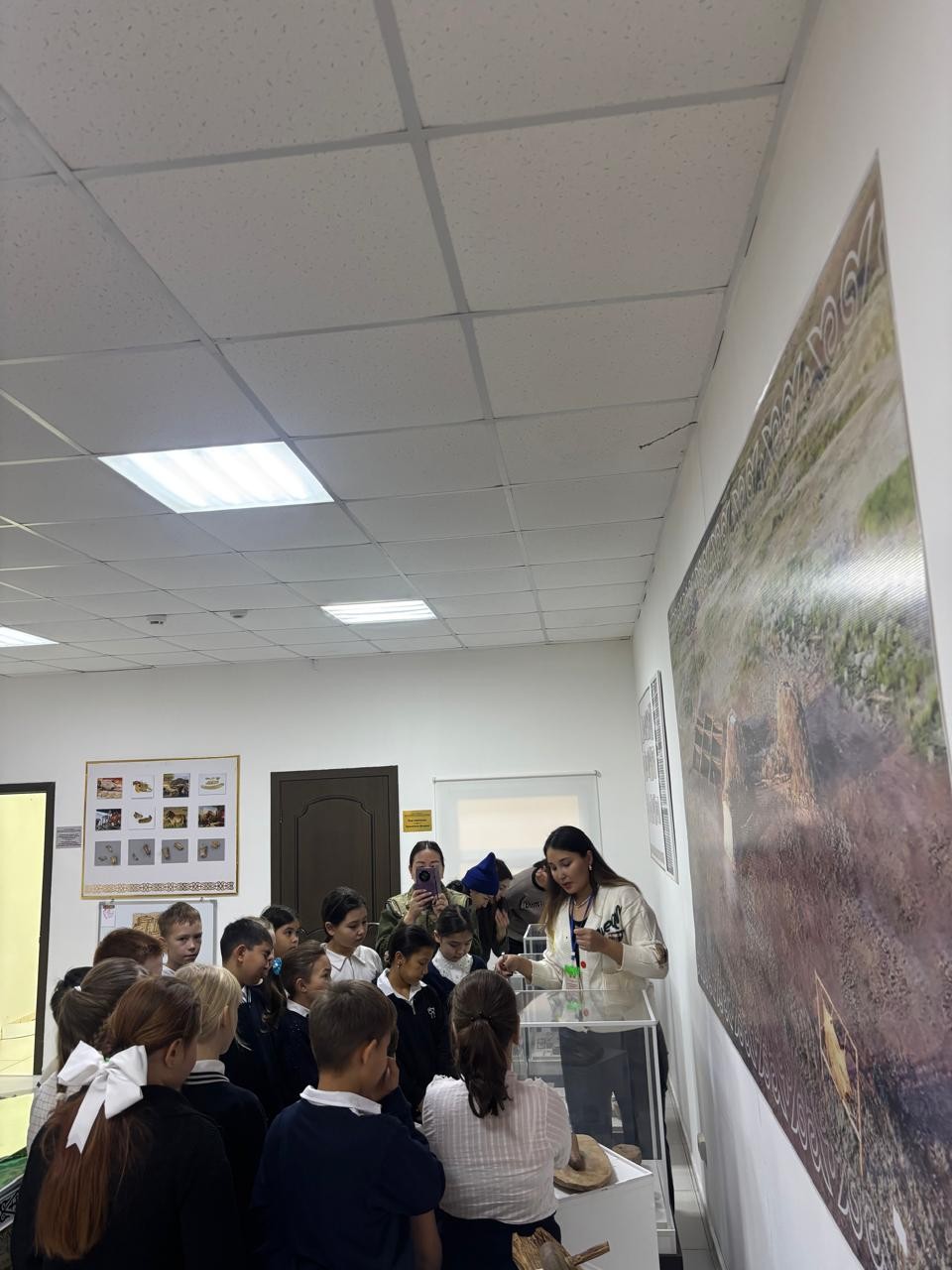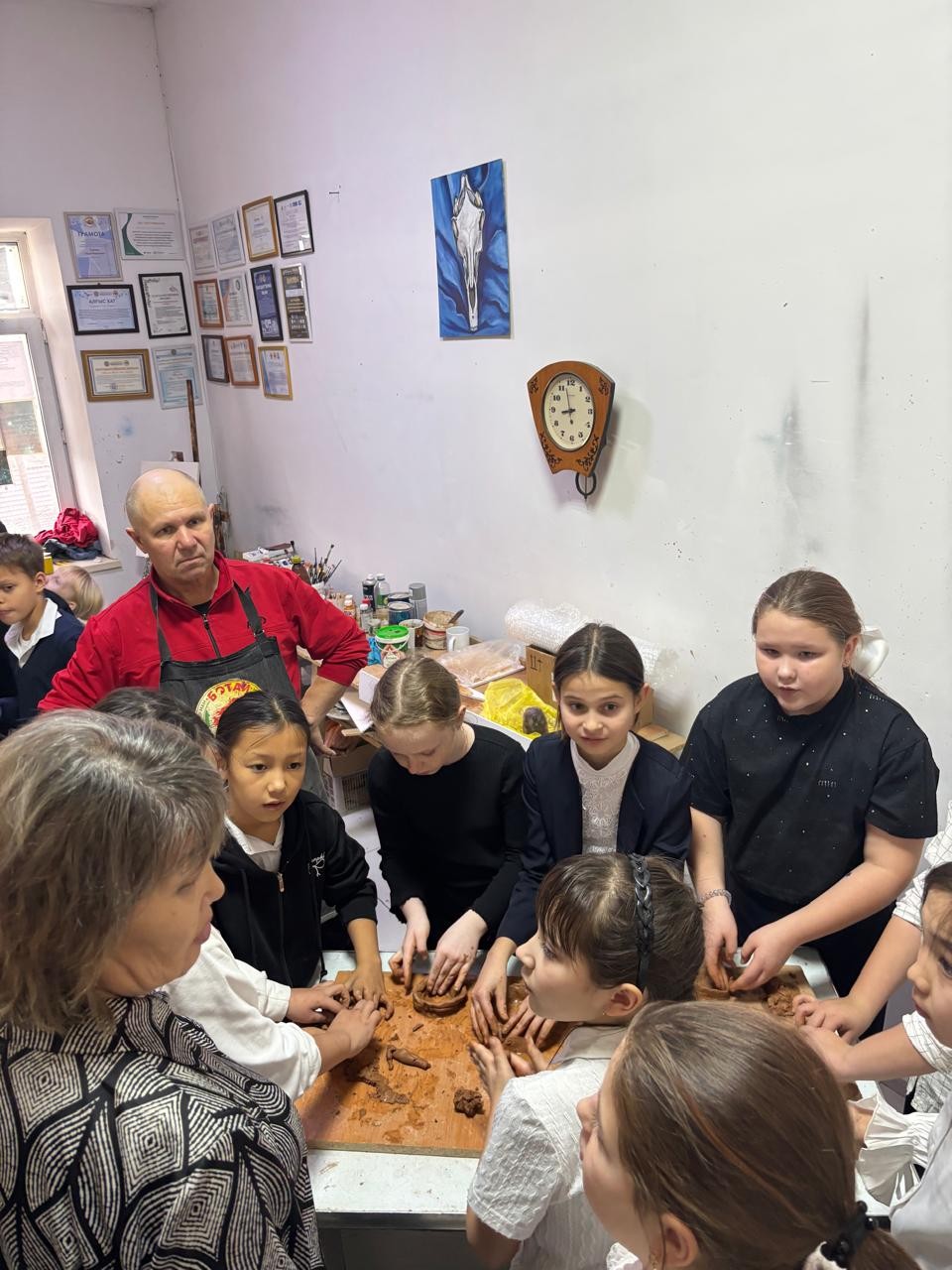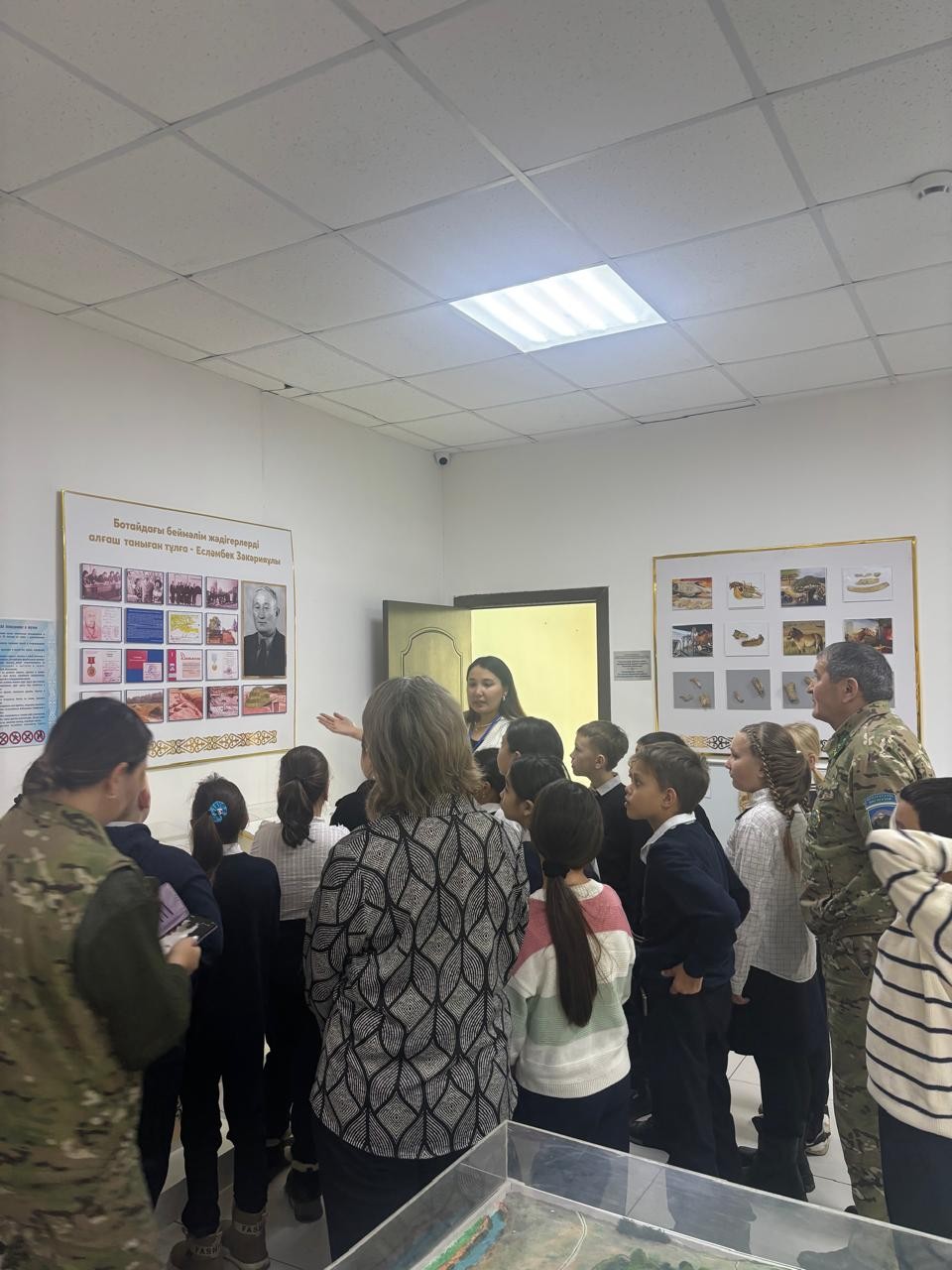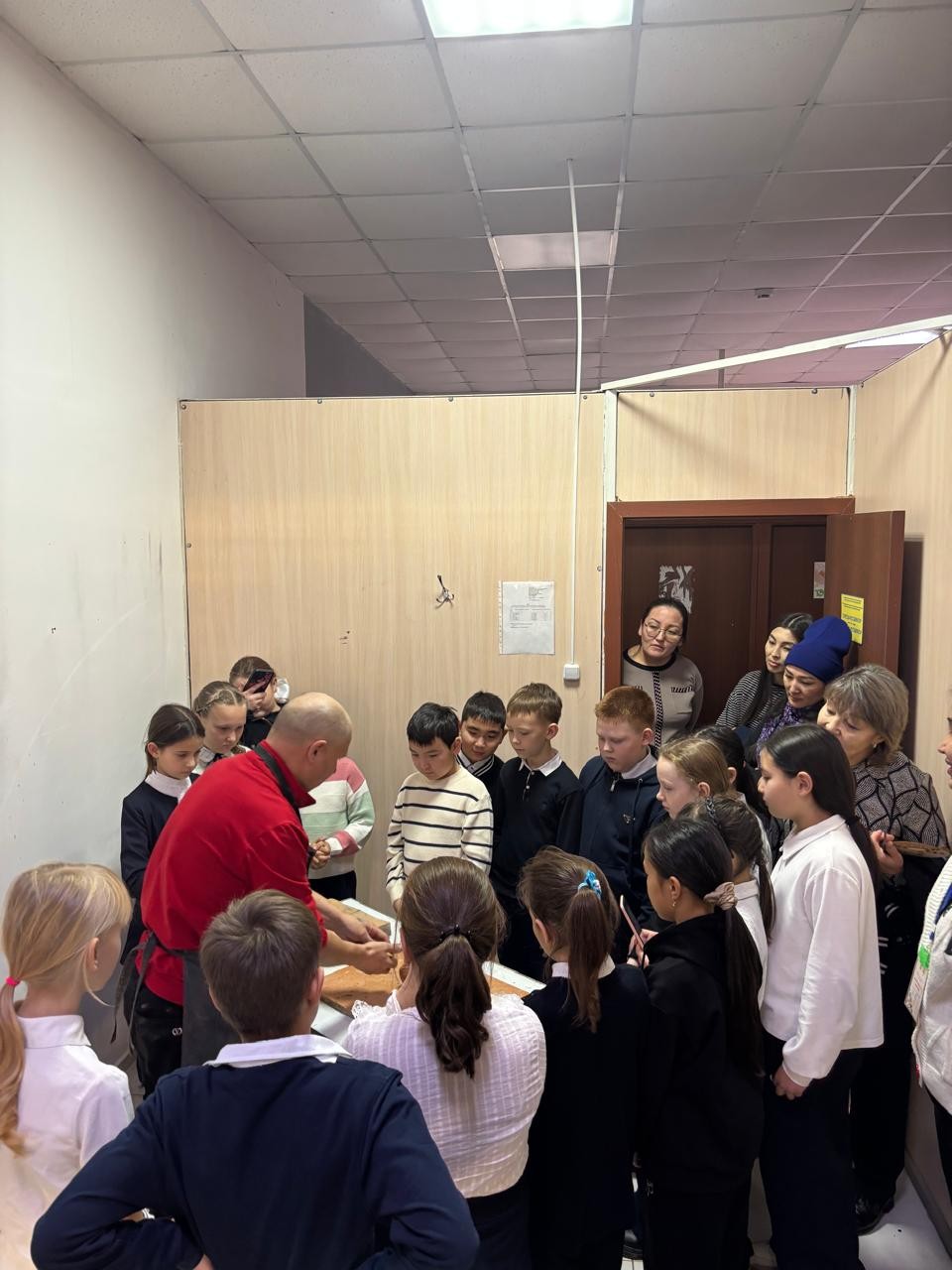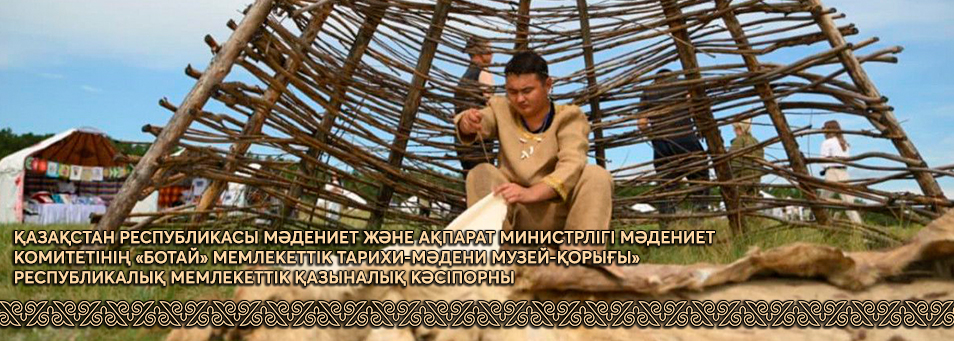
The restorer of the Botai State Historical and Cultural Museum-Reserve is engaged in the restoration of museum objects, restoration of ceramic vessels, making copies of artifacts and conducting master classes in ceramics. His work helps to preserve and pass on the historical heritage to future generations.
The art restorer of the State Historical and Cultural Museum-Reserve “Botai” is engaged in the restoration of museum objects, the restoration of ceramic vessels, the production of copies of artifacts, and the conduct of ceramics master classes. Their work helps preserve and pass on historical heritage to future generations.
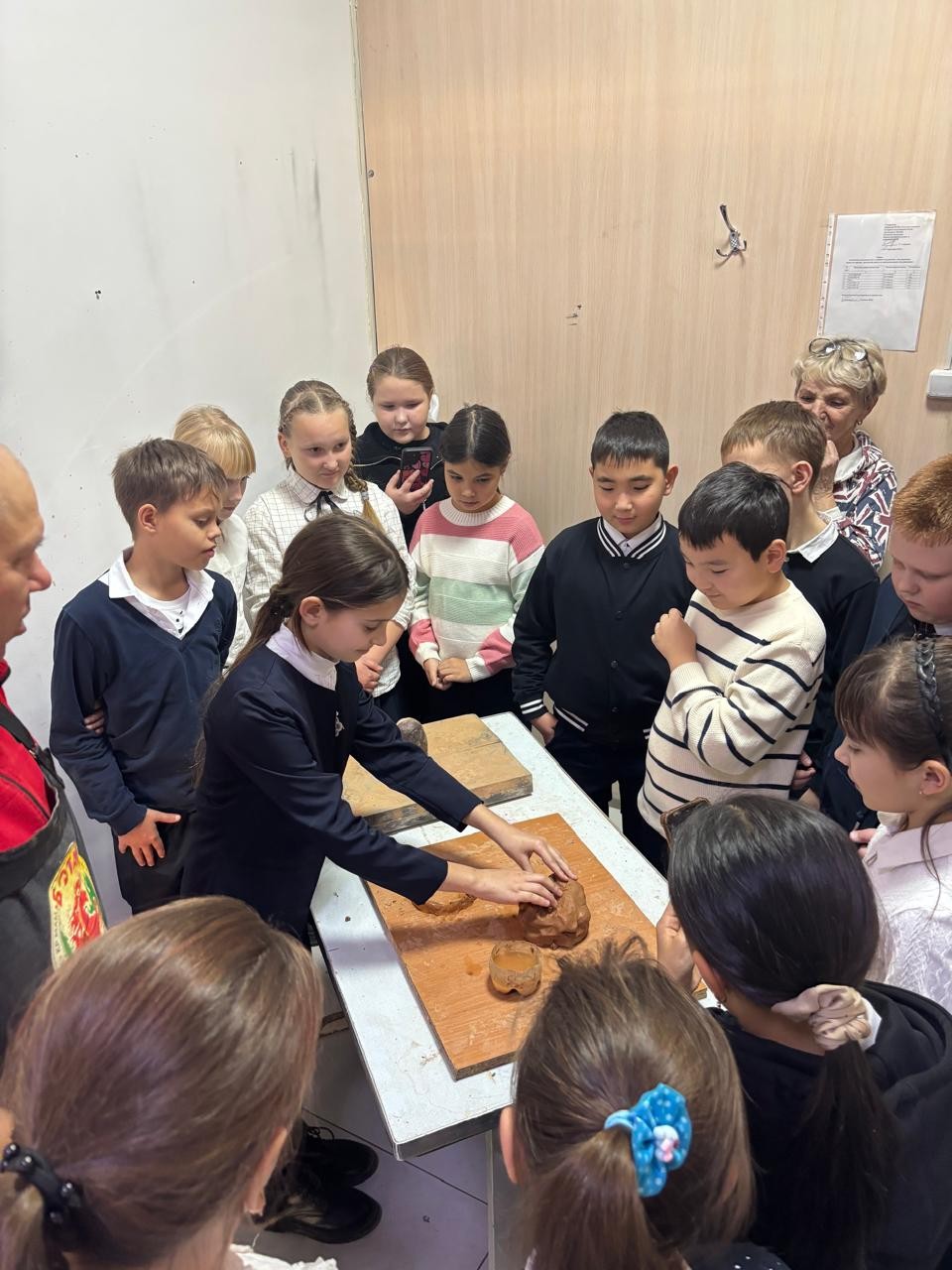
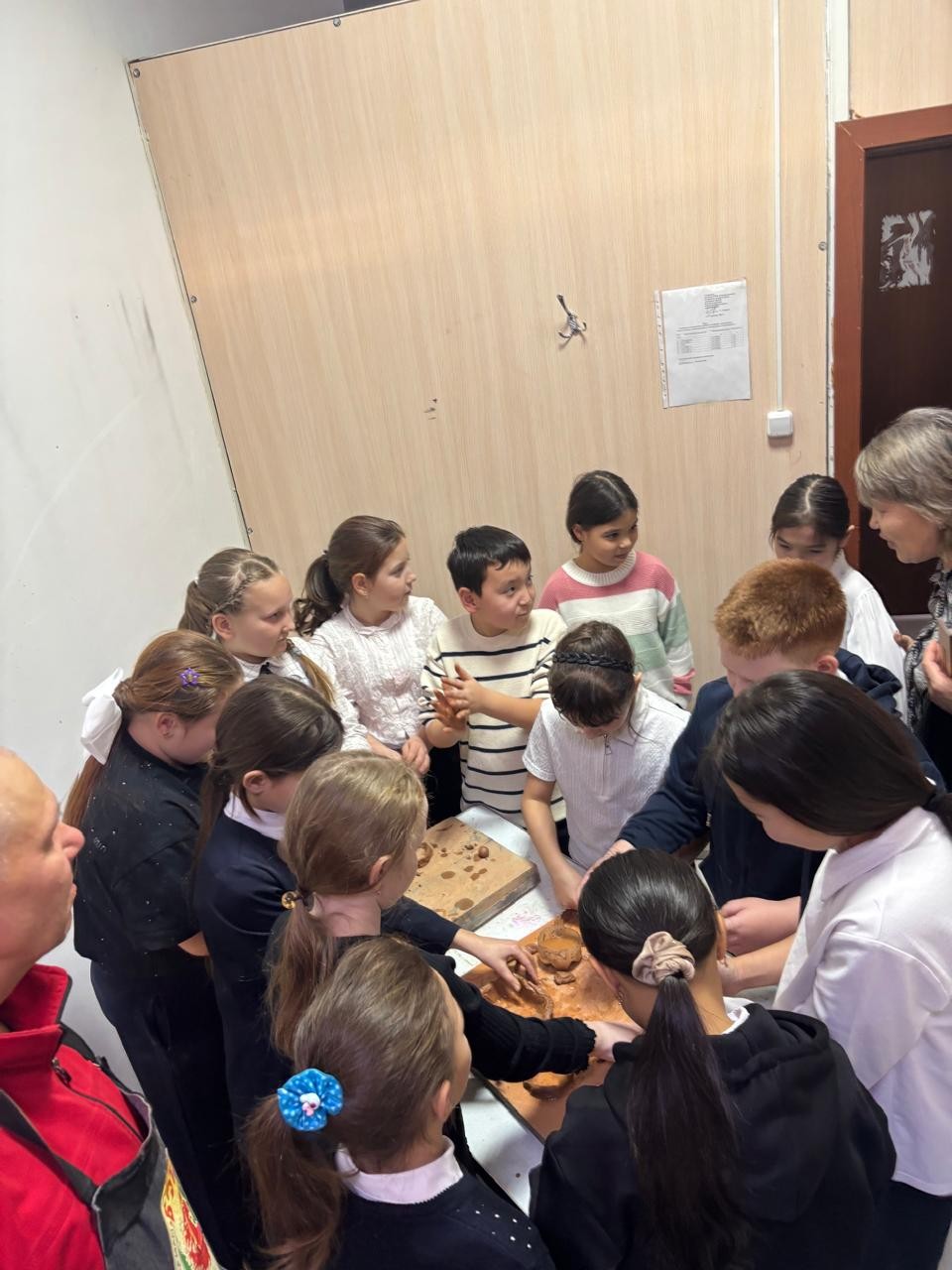
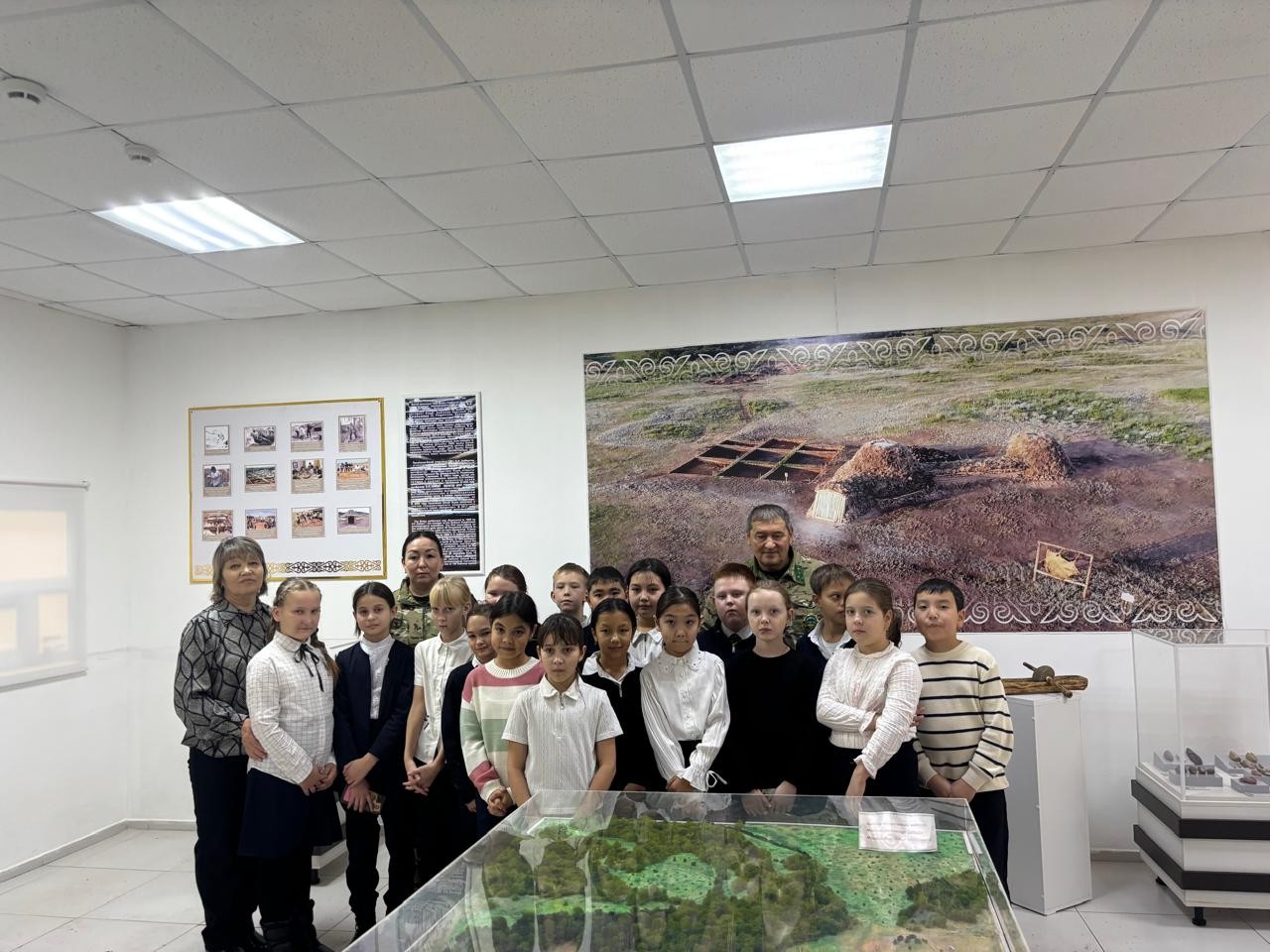
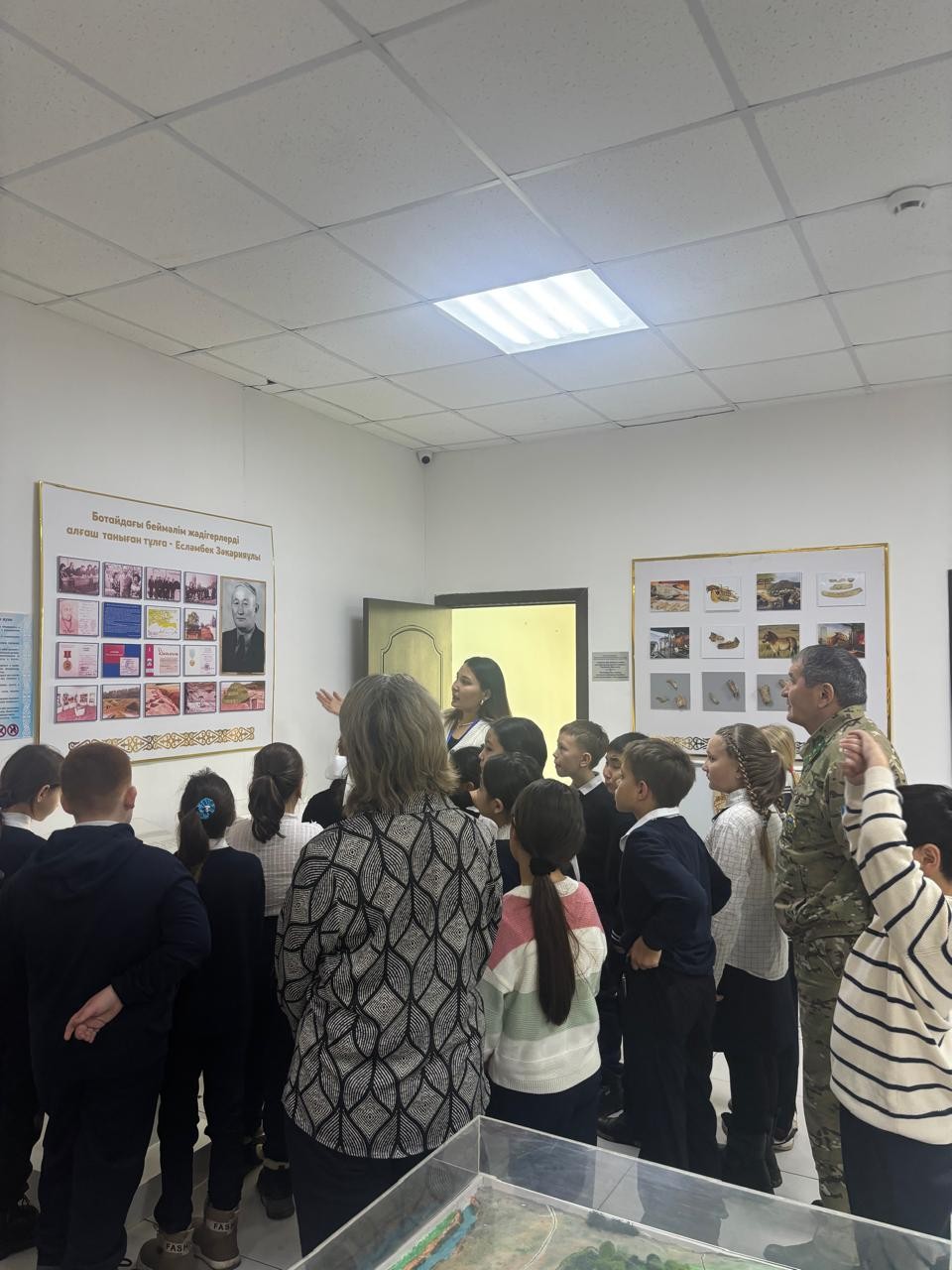
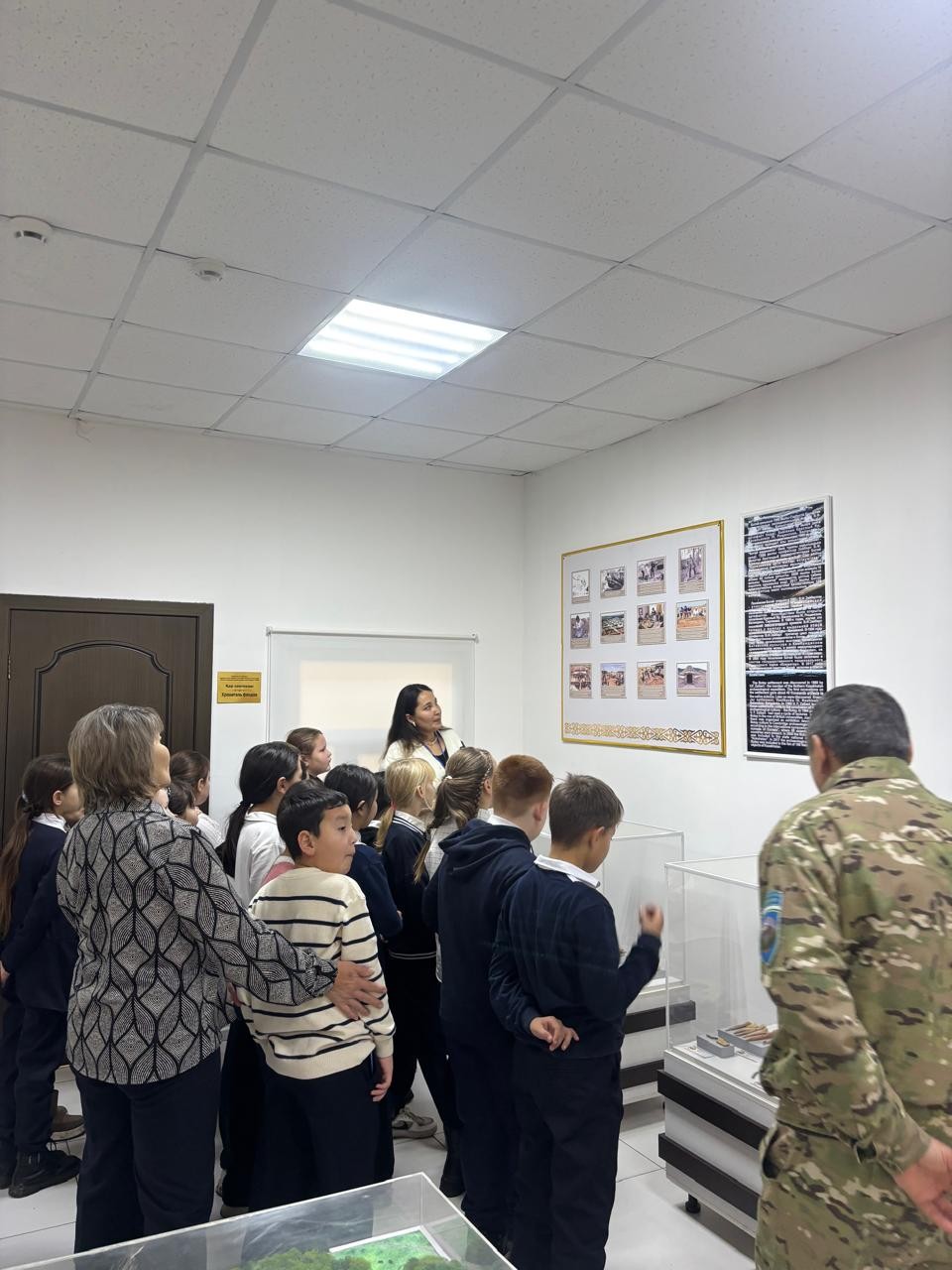
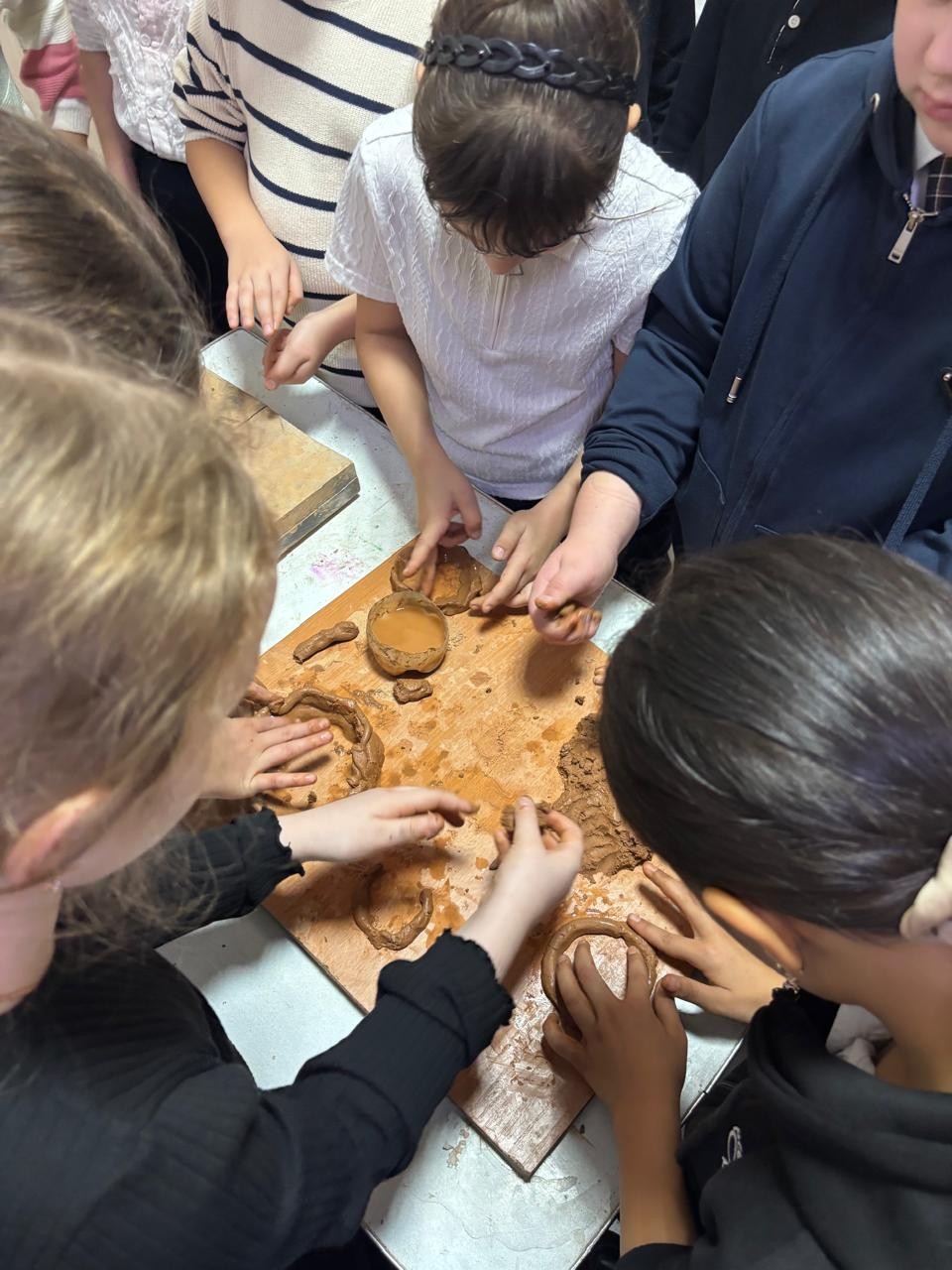
Today, the participants of the Young Archaeologist circle at the Botai State Historical and Cultural Museum-Reserve took part in a master class on making ceramic vessels. The guys got acquainted with ancient Botai technologies and tried to work with clay with their own hands.
During the master class, everyone was able to create a small vessel, feeling like a true master of antiquity. Such classes help children to understand history more deeply, develop creativity and respect for cultural heritage.
The Botai Museum-Reserve contains various exhibits from the Chalcolithic era, including ceramics.
Today, we present to you a reconstructed ceramic dish made from fragments of ceramic found in the Botai settlement. The bottom of the vessel is round, as the bottom is barely visible, making the vessel unstable. The surface is carefully crafted, and various ornaments can be seen on the surface of some ceramic vessels. The main motifs of the ornamentation include wavy and straight lines, a comb, and geometric shapes.
The vessel is a type of kitchen utensil, and due to the presence of soot on its surface, it is evident that it was used for cooking over a fire. It was also used for storing milk and koumiss.