

Let Us Always Honor Our Traditions, Customs, and Spiritual Values
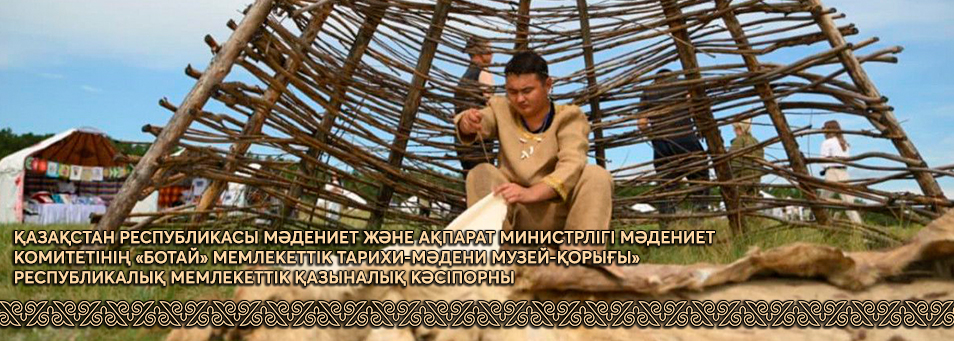
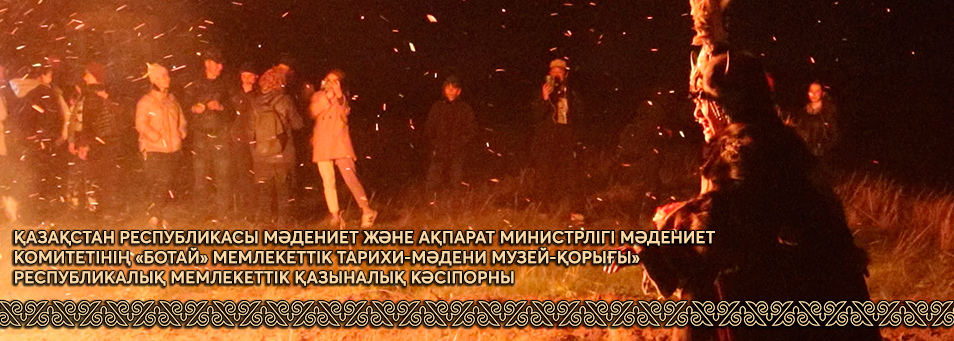
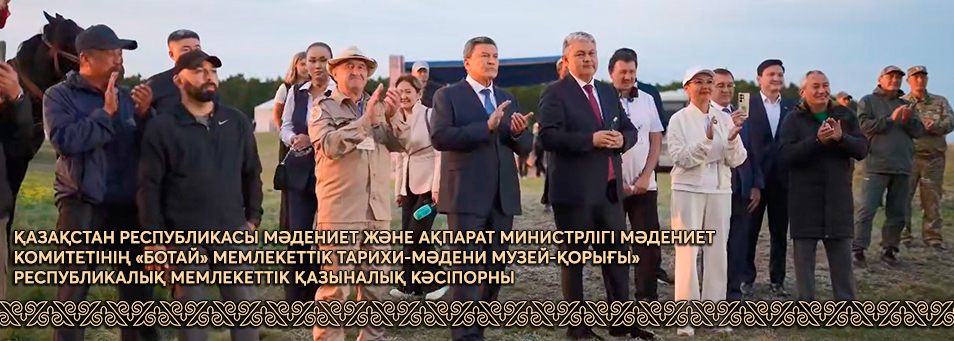
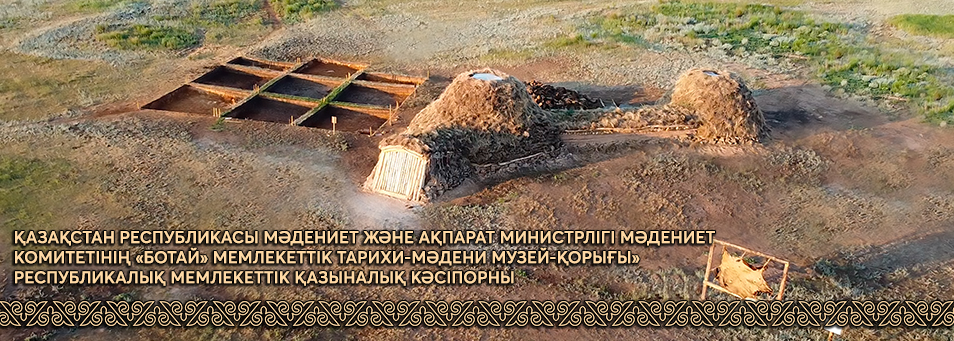
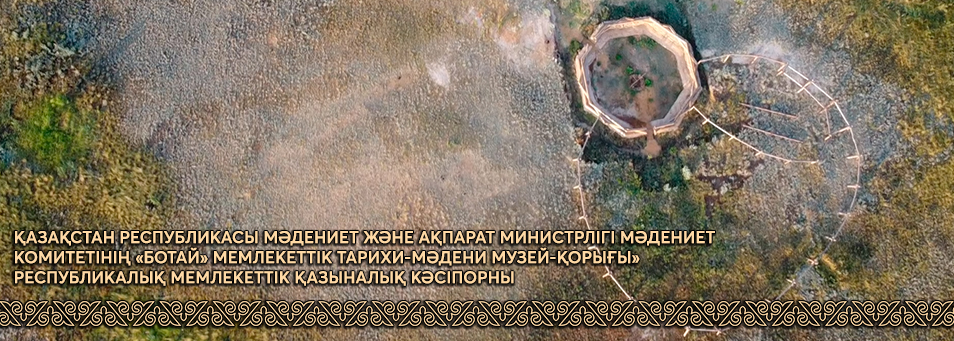
The Botai Culture is the earliest archaeological evidence of horse domestication in the Kazakh steppe. The fact that horses were domesticated on the territory of Kazakhstan in ancient times indicates that this animal was especially revered and became an integral part of everyday life and ritual practices. Even the fact that the Kazakh people continue to use horse milk to make kumys today serves as evidence of a tradition that has existed in the Kazakh steppe since ancient times. In this regard, it is clear that the horse is one of the most significant indicators of the development of human civilization, especially steppe civilization. For this reason, the Botai State Historical and Cultural Museum-Reserve held the traditional “riding the Ashamay” ceremony at the Botai Settlement.
“Атқа мінгізу” is an initiation into horsemanship. Since ancient times, the Kazakh people have had a unique traditional ceremony known as “Атқа мінгізу.” The essence of the ritual was the initiation of a boy, usually at the age of 4–5 years, into becoming a rider. For this purpose, a special children’s saddle called “ashamay-er” was made from wood. The front and back parts of the ashamay-er were made higher and equipped with supports. A calm three-year-old colt was then saddled with it, and the boy was seated on the horse. One of the adults would lead the horse by the reins throughout the aul so that the boy could greet the elders and respected “аксакалы”. In return, they would bless and encourage him with wishes such as: “Become a good horseman!”; “Find your place in life!”; “Be a worthy son of your native land!” A small celebration was organized in honor of this occasion. Women would scatter shashu (gifts and sweets), while older children arranged horse races and played various traditional games.